Environmental Considerations
The environmental impact of commercial buildings is a growing concern, particularly given the increasing emphasis on sustainability. Commercial insulation plays a crucial role in reducing energy consumption by minimising heat loss in winter and heat gain in summer. Efficient insulation systems help to lower the demand for heating and cooling, which not only conserves resources but also reduces greenhouse gas emissions associated with energy production.
Additionally, good insulation contributes to the overall health of the building’s occupants. Energy-efficient commercial buildings typically have better indoor air quality due to less reliance on mechanical heating and cooling systems. Moreover, improved insulation can mitigate noise pollution, creating a more comfortable working environment. Investing in commercial insulation is thus not only a consideration for energy savings but also for fostering a sustainable and healthier workspace.
How Insulation Contributes to Sustainability
Insulation plays a pivotal role in enhancing the sustainability of commercial buildings by optimising energy efficiency. Properly installed commercial insulation helps maintain stable indoor temperatures, reducing the reliance on heating and cooling systems. This efficient thermal performance minimises energy consumption, which in turn lowers greenhouse gas emissions produced by power plants. By decreasing energy use, insulated buildings contribute positively to the environment while also lowering operational costs for businesses.
Furthermore, the materials used in commercial insulation can significantly impact sustainability efforts. Many insulation products are now manufactured using recycled or eco-friendly materials, making them a responsible choice for environmentally conscious builders. The longevity of high-quality insulation also means less frequent replacements, resulting in reduced waste. By investing in commercial insulation, businesses can not only improve their operational efficiency but also make strides towards a more sustainable future.
Insulation Installation Process
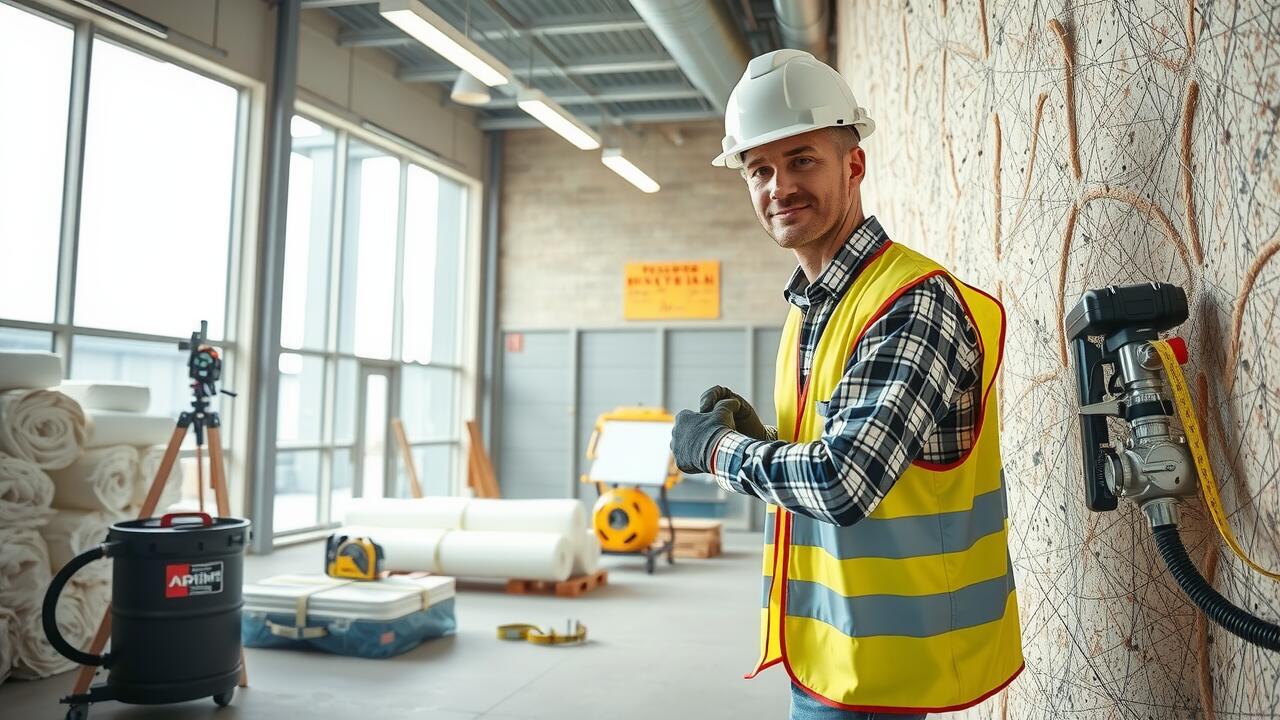
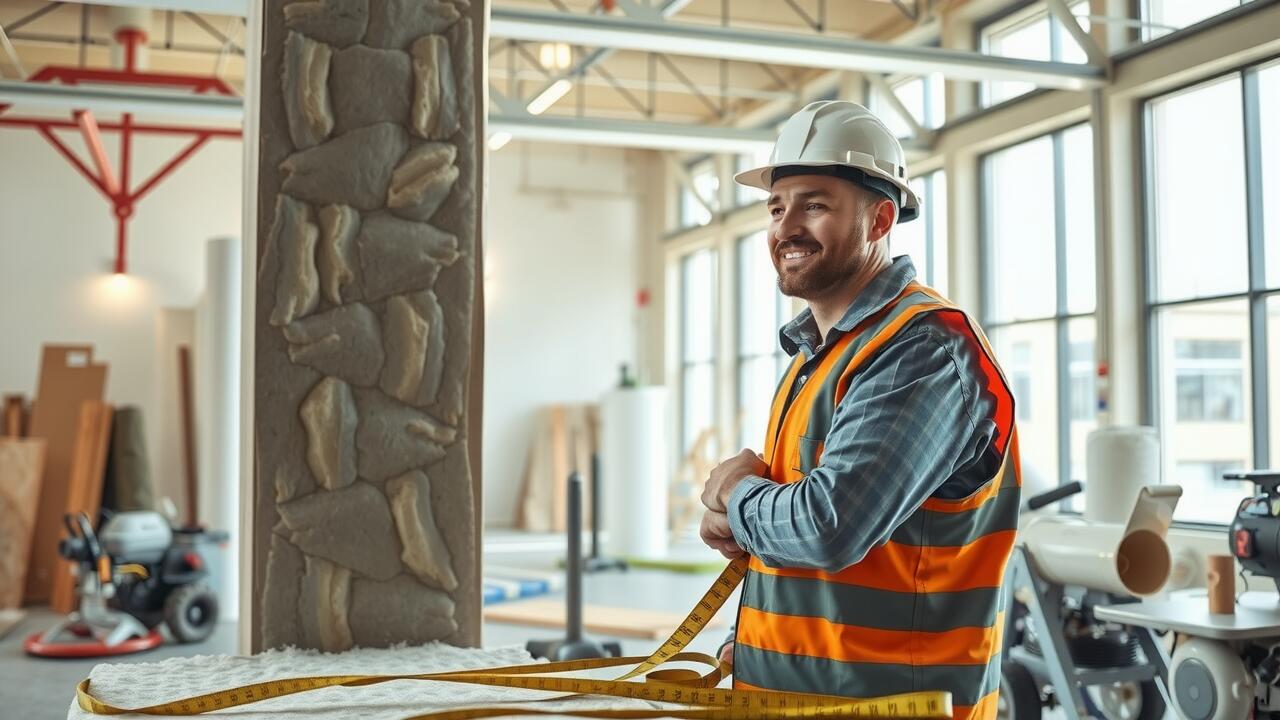
The insulation installation process for commercial buildings typically begins with an evaluation of the existing structure. Assessing factors such as age, building type, and current insulation status is essential. Qualified professionals may conduct thermal imaging inspections to identify areas of heat loss or gain. This detailed analysis informs the selection of appropriate insulation materials. Depending on the building’s requirements, options may include fibreglass, spray foam, or mineral wool.
Once the insulation materials have been chosen, the next step involves preparation of the installation site. This includes cleaning the area to remove any debris, ensuring there are no obstructions, and making necessary repairs to the building envelope. The actual installation of commercial insulation varies based on the material selected. For instance, fibreglass batts may be cut to size and fitted snugly within wall cavities, while spray foam requires equipment for even distribution. Proper installation is crucial for ensuring energy efficiency and maximising the lifespan of the insulation.
Steps for Proper Insulation in Commercial Buildings
When embarking on the insulation process for commercial buildings, it is essential to begin with a thorough assessment of the existing structure. This assessment involves examining potential areas for heat loss, such as walls, roofs, and floors. Inspecting for gaps, cracks, and other weak points can help identify where commercial insulation will be most effective. Proper planning at this stage helps ensure that the subsequent installation process addresses all critical areas, leading to improved energy efficiency and minimised costs.
Once the assessment is complete, the next step involves selecting the appropriate type of commercial insulation tailored to the specific needs of the building. Options range from fibreglass to foam board, each offering different benefits in terms of R-value and moisture resistance. Following selection, installation requires adherence to best practices to maintain the integrity of the insulation. Proper sealing, layering, and coverage are vital to creating an effective barrier against unwanted heat exchange, further enhancing the comfort and efficiency of the commercial space.
Signs That Your Building Needs Insulation
Identifying signs that your building needs insulation is essential for maintaining comfort and efficiency. A notable increase in energy bills can indicate that heat is escaping, suggesting inadequate or absent commercial insulation. Drafts or fluctuating temperatures in different areas of the building further point to potential insulation issues. These factors not only impact comfort levels but also signal inefficient energy use.
Visible signs of moisture or mould on walls or ceilings may also suggest poor insulation. Such conditions can compromise both the structural integrity of the building and the health of its occupants. Regular inspections can help detect these issues early. Addressing insulation problems promptly ensures that commercial insulation serves its intended purpose while enhancing the overall sustainability of the facility.
Indicators of Inadequate Insulation
Inadequate insulation in commercial buildings often manifests through notable fluctuations in temperature. Occupants might experience discomfort as certain areas become excessively cold in winter or oppressively warm in summer. This uneven temperature distribution may lead to higher energy consumption as heating and cooling systems struggle to maintain a consistent climate. Without proper commercial insulation, energy efficiency decreases, resulting in increased operational costs.
Another clear sign of insufficient insulation is the presence of drafts, particularly around windows, doors, and junctions. Such cold air infiltration highlights gaps that compromise the building’s overall thermal performance. Moisture issues may also arise, including condensation on walls or windows, suggesting inadequate thermal barriers. These indicators can diminish the comfort and health of the occupants while simultaneously impacting the building’s structural integrity, emphasising the importance of effective commercial insulation.
FAQS
Why is insulation important for commercial buildings?
Insulation is crucial for commercial buildings as it helps regulate indoor temperatures, reduces energy consumption, and lowers heating and cooling costs. It also contributes to environmental sustainability by minimising greenhouse gas emissions.
What types of insulation are commonly used in commercial buildings?
Common types of insulation for commercial buildings include fibreglass, foam boards, spray foam, and mineral wool. The choice of insulation depends on factors such as building design, local climate, and specific energy efficiency requirements.
How can I tell if my commercial building needs more insulation?
Signs that your building may need additional insulation include inconsistent indoor temperatures, high energy bills, drafts, and ice dams on the roof during winter. If you notice these indicators, it may be time to assess your insulation.
What is the insulation installation process for commercial buildings?
The insulation installation process typically involves assessing the building’s insulation needs, selecting the appropriate insulation material, preparing the installation area, and carefully installing the insulation in walls, roofs, and floors to ensure maximum thermal efficiency.
Are there any regulations regarding insulation in commercial buildings?
Yes, various building codes and regulations mandate minimum insulation requirements for commercial buildings. These regulations aim to ensure energy efficiency and safety standards are met, so it’s important to check local codes before installation.