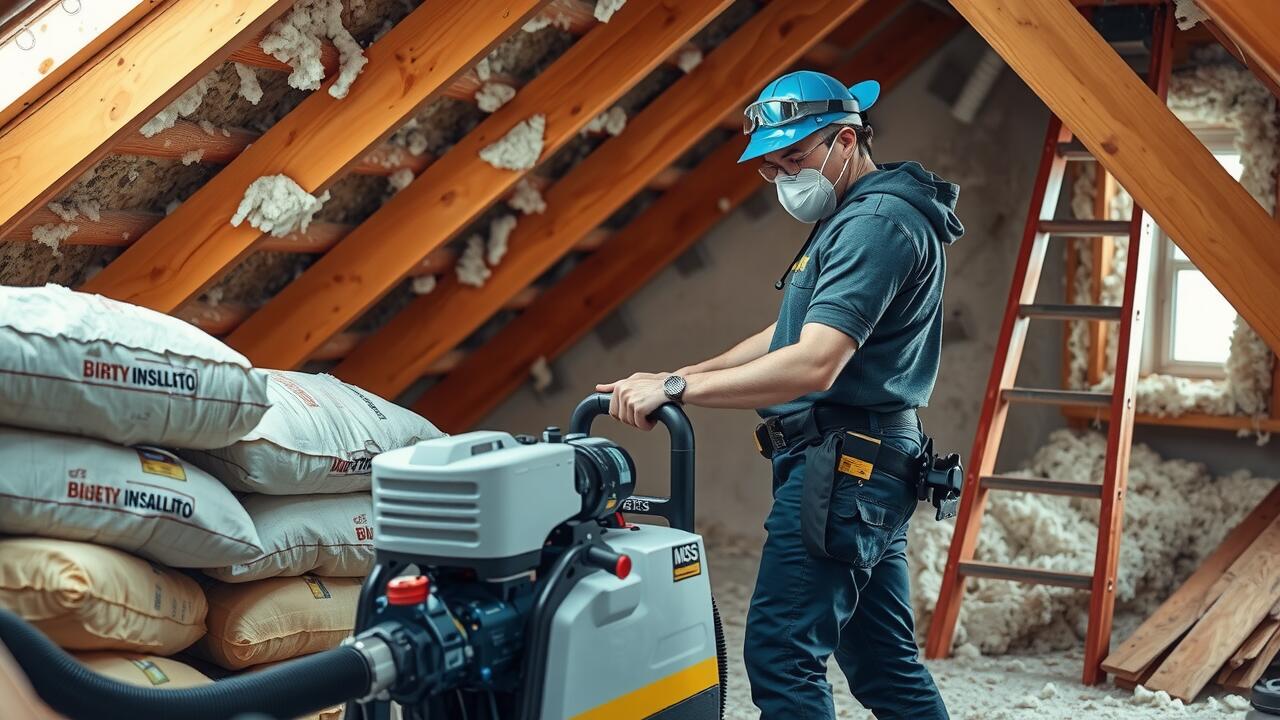
At Insul8, we specialise in the application of blown-in insulation, a highly effective solution for enhancing the thermal efficiency of your home. This innovative insulation technique involves the use of specially formulated materials that are pneumatically blown into wall cavities, attics, and other hard-to-reach areas, ensuring thorough coverage and optimal performance. Our expert team assesses your property to recommend the most suitable insulation material, tailored to your specific needs, in order to reduce energy costs and improve overall comfort. With our commitment to quality and customer satisfaction, Insul8 is dedicated to providing you with a warm, energy-efficient environment all year round.
Common Applications
Blown-in insulation is a versatile solution, suitable for a variety of applications within residential and commercial buildings. One of its most common uses is in lofts and attics, where it helps to create a thermal barrier against heat loss. By filling the gaps between joists and ensuring even coverage, blown-in cellulose, fibreglass, or stone wool insulation can significantly enhance energy efficiency. Additionally, it serves as an excellent option for cavity wall insulation, fitting seamlessly into the voids between masonry. This helps to prevent cold draughts and, when installed correctly, can improve the overall thermal performance of the structure.
Another notable application is in timber frame constructions, where meticulous attention to thermal insulation and sound proofing is vital. Blown-in materials adapt well to irregular spaces and difficult-to-reach areas, ensuring comprehensive coverage. This adaptability makes it effective for insulating varying ceiling heights, as well as for filling voids in floating floors. Particularly in instances where moisture is a concern, the use of recycled materials not only aids in reducing the carbon footprint but can also promote a healthier indoor environment. Given its wide-ranging functionality, blown-in insulation is a practical choice for many different insulation scenarios within a building.
Ideal Spaces for Blown-In Insulation
Blown-in insulation is particularly effective in spaces that benefit from thermal protection and soundproofing. Attics often require extra insulation to prevent heat from escaping while also maintaining a comfortable indoor temperature, especially in regions with extreme climates. The material can easily fill gaps and voids in irregularly shaped spaces, making it ideal for hard-to-reach areas like wall cavities and around structural elements such as studs and beams. This ensures a consistent thermal envelope throughout the building, reducing energy costs and improving overall comfort.
In addition to attics, interior walls and floors can greatly benefit from blown-in insulation. This method enhances noise reduction between rooms, providing greater privacy in both residential and commercial properties. Utilising materials such as rock wool or sheep’s wool can further reduce carbon emissions, as these products are often eco-friendly and provide fire-retardant properties. By choosing blown-in insulation, property owners can not only meet building regulations but also contribute positively to the environment while enhancing the overall performance of their properties.
Addressing Moisture and Mould Concerns
Moisture issues can pose significant problems in homes, leading to the growth of mould and mildew that may affect both health and structural integrity. In semi-detached and timber frame houses, it is crucial to ensure that the installation of blown-in insulation does not trap moisture within the walls or ceilings. Regular inspections of chimneys, flues, and ductwork are essential to maintain proper air pressure and ventilation, minimising dampness. A thorough understanding of how heat flow interacts with insulation materials such as fibreglass or rockwool can significantly enhance the overall effectiveness of moisture control strategies.
To prevent potential moisture-related issues, a multidisciplinary approach is advisable. Employing eco-friendly insulation materials can improve a building’s insulation rating while also addressing sustainability concerns. Implementing solutions like thermal comfort enhancements, combined with proper heating and cooling systems, establishes a balanced environment that deters dampness. Regular maintenance and updates to HVAC systems further support this goal, ensuring that homes remain healthy spaces for occupants, particularly in regions like Ulverston and Fraserburgh that experience variable climates.
Strategies for Prevention
Proper prevention strategies are essential in maintaining the integrity and effectiveness of blown-in insulation. Homeowners can significantly reduce the risk of moisture intrusion by ensuring that ventilation ducts and air conditioning systems are efficiently maintained. Regular inspections of the central heating systems can identify any potential issues that may lead to interstitial condensation. Additionally, when insulating a home, utilising high-quality materials with suitable R-values can enhance thermal protection, safeguarding against energy losses that could otherwise encourage dampness.
Furthermore, addressing potential thermal bridges at frame construction points helps in regulating temperature and preventing escalated moisture levels. Sealants around electrical conduits and plumbing fixtures should be used to create a robust barrier against air leaks. Integrating recycled insulation materials, such as those derived from sustainable forestry practices, contributes to green building efforts and combats climate change. By prioritising these strategies, homeowners not only improve indoor climate comfort but also enhance the overall energy performance of their properties.
Environmental Impact
The choice of insulation materials can significantly influence both environmental sustainability and indoor air quality. Blown-in insulation made from recycled or biodegradable materials, such as cellulose or sheep’s wool, presents a lower environmental footprint compared to conventional options like fibreglass. These materials not only minimise waste but also enhance thermal conductivity, which contributes to reduced energy consumption during heating and cooling. The use of materials with an Environmental Product Declaration allows homeowners to make informed choices that align with their values and energy efficiency goals.
A well-insulated home can lead to decreased CO2 emissions, making it a crucial factor in efforts to combat climate change. Selecting insulation that ensures airtightness will reduce heat flow and improve overall energy efficiency. This not only benefits the environment but also enhances the comfort of living spaces, as proper insulation diminishes noise levels and maintains stable temperatures. The integration of air source heat pumps in conjunction with effective insulation further optimises energy use, creating a more sustainable approach to residential heating solutions.
Sustainability of Insulation Materials
The sustainability of insulation materials plays a crucial role in both environmental conservation and energy efficiency within homes. Natural fibres such as wool and cotton provide excellent thermal resistance while being biodegradable. Insulation derived from recycled glass or woodchips not only reduces waste but also contributes to lower carbon footprints throughout their lifecycle. By choosing materials with eco-friendly credentials, homeowners can significantly reduce pollution and resource depletion associated with traditional insulation options.
Incorporating insulation materials like cork and sheep wool can also enhance ventilation and moisture management within timber frame houses. These hygroscopic materials absorb excess moisture, mitigating potential issues related to water damage and mould growth. Furthermore, advances in the manufacturing processes of these sustainable materials ensure reduced emissions of volatile organic compounds (VOCs). Being mindful of the environmental impact of insulation choices contributes to improved living standards and can even enhance insurance values due to their energy-efficient properties.
FAQS
What is blown-in insulation?
Blown-in insulation is a type of insulation that involves the use of loose-fill insulation material, such as cellulose or fibreglass, which is blown into walls, attics, and other spaces to improve thermal efficiency and reduce energy costs.
What are the common applications for blown-in insulation?
Blown-in insulation is commonly used in attics, walls, and crawl spaces. It is particularly effective in retrofitting older homes where traditional batts or rolls of insulation may not fit properly.
How does blown-in insulation address moisture and mould concerns?
Blown-in insulation can help to minimise moisture retention by allowing for better airflow and reducing condensation. However, it is crucial to implement effective moisture control strategies to prevent mould growth.
What are the strategies for preventing moisture issues with blown-in insulation?
Strategies include ensuring proper ventilation in the attic, using vapour barriers, and sealing any air leaks. Regular inspections can also help identify potential moisture problems before they escalate.
What is the environmental impact of blown-in insulation?
Blown-in insulation materials can have a positive environmental impact, particularly if they are made from recycled materials, such as cellulose. They also improve energy efficiency, which can reduce carbon footprints over time.