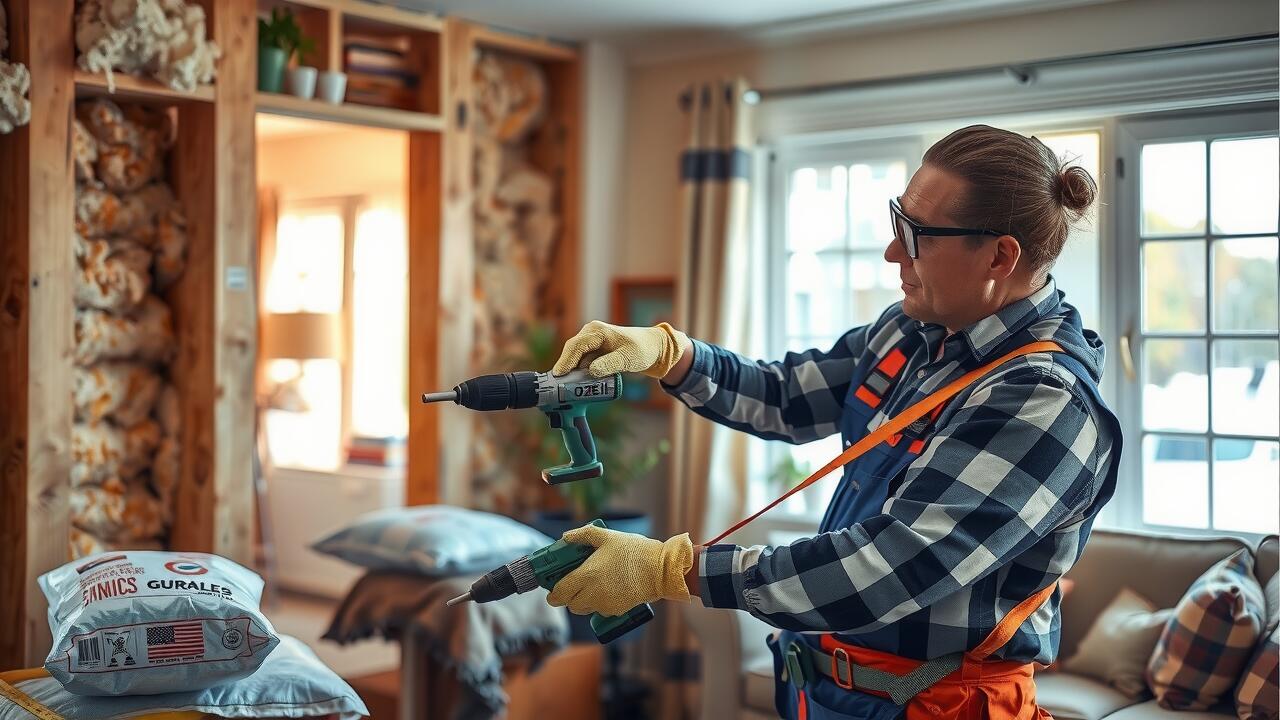
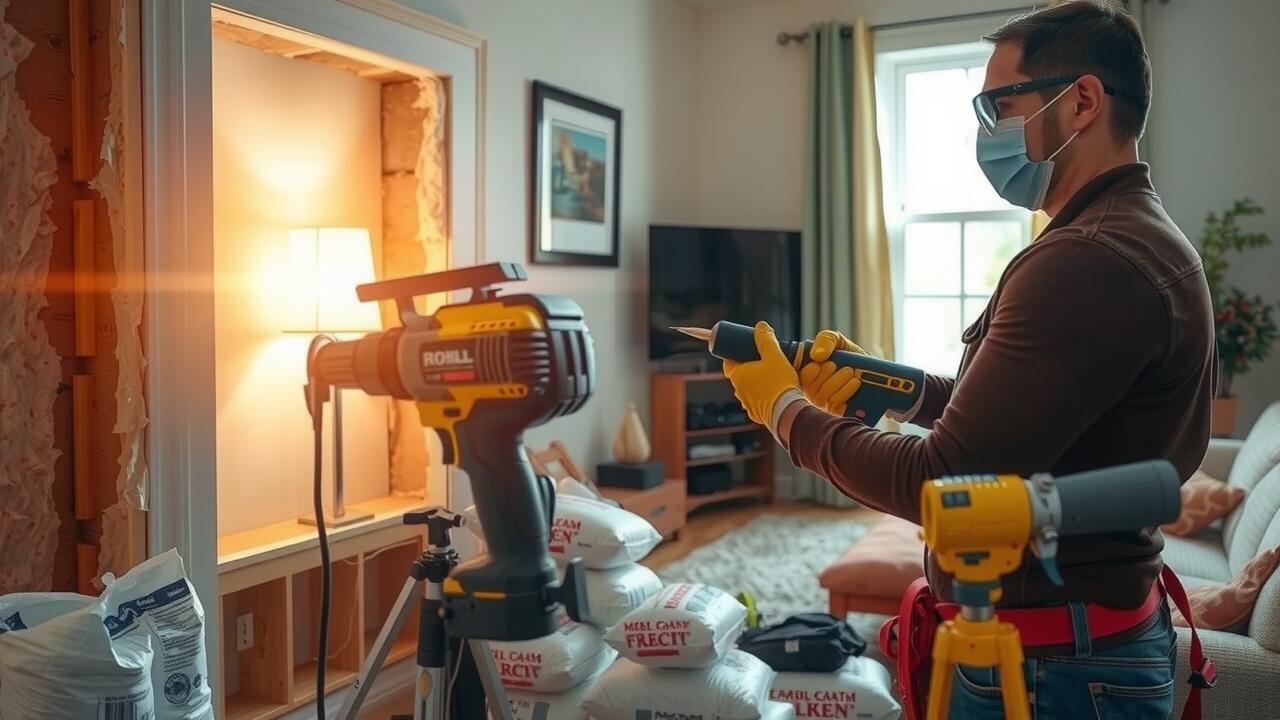
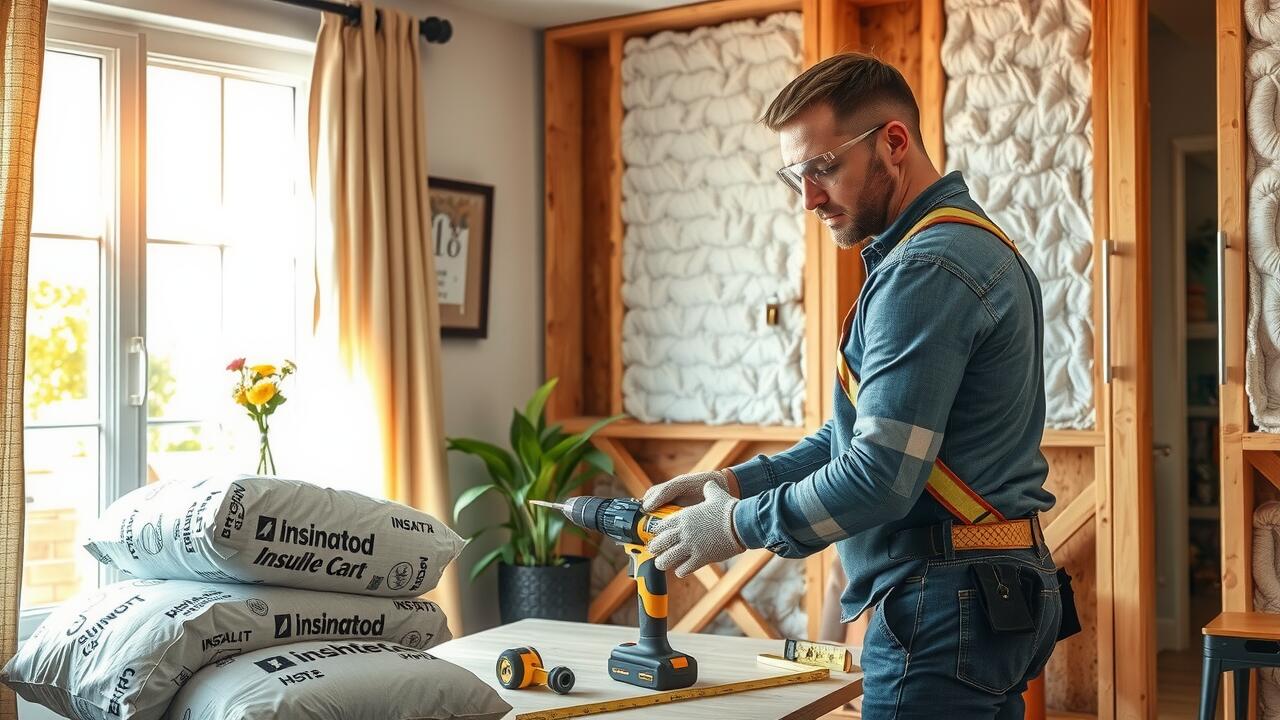
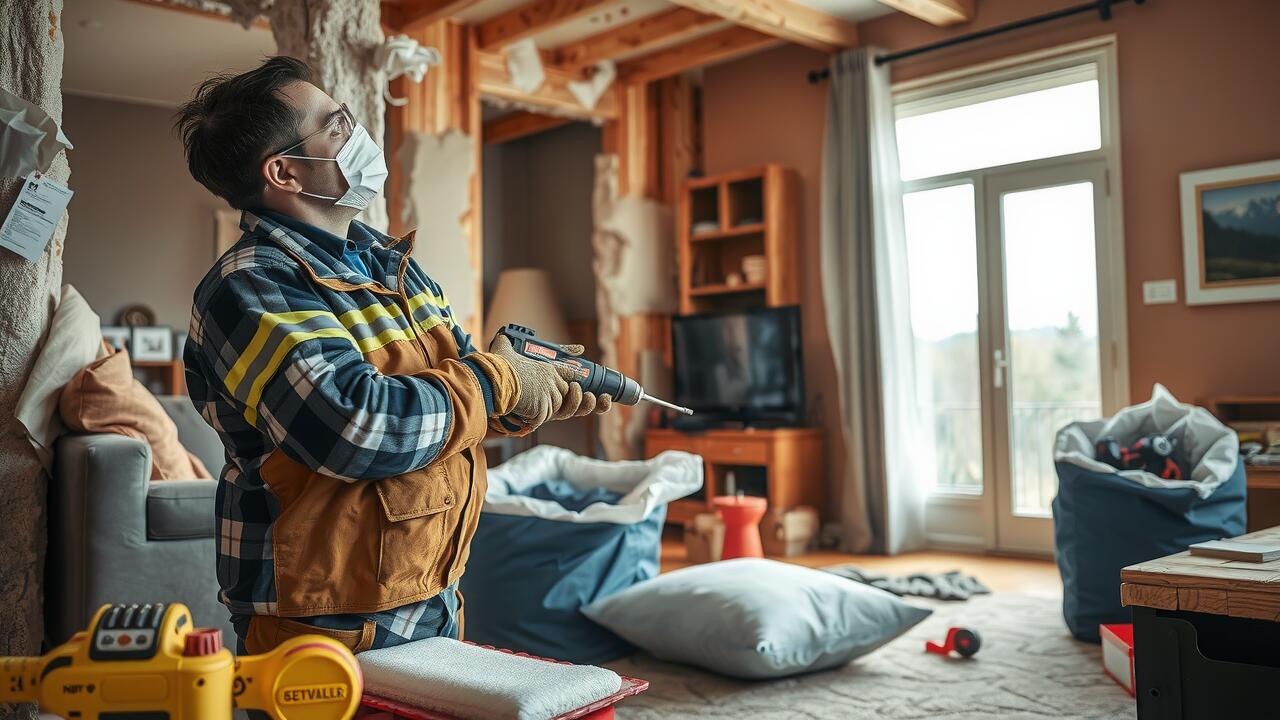
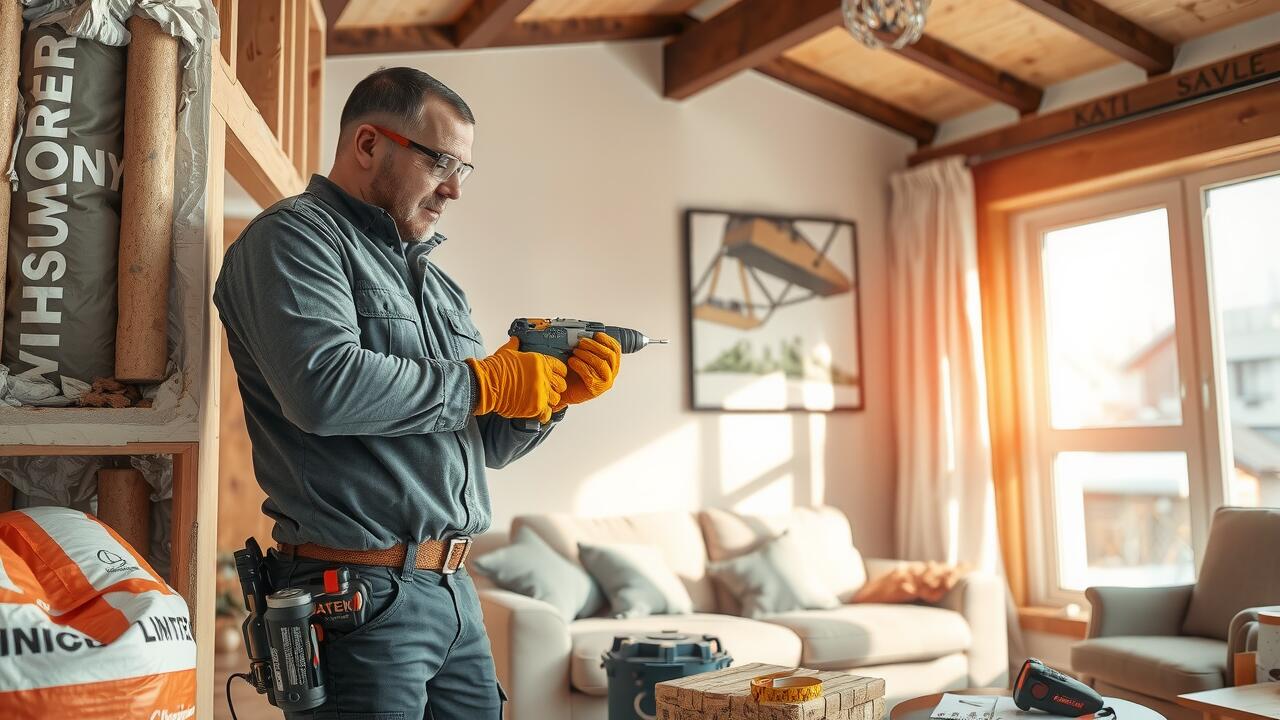
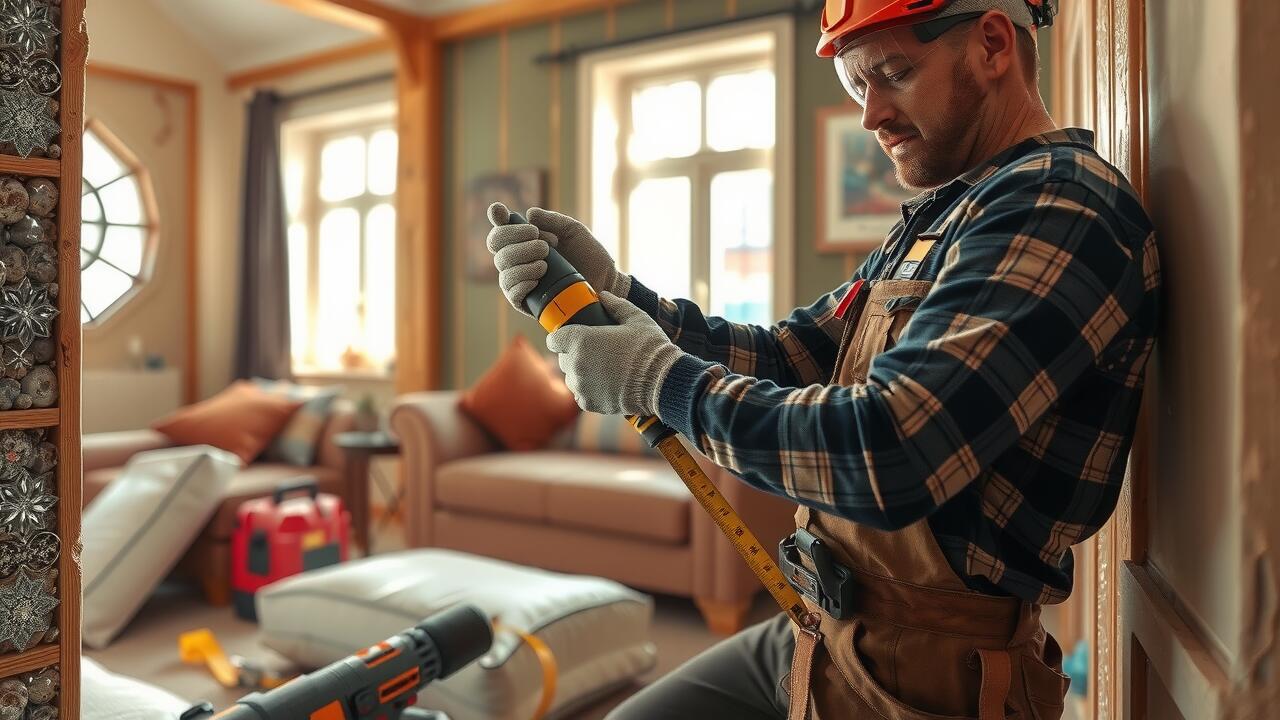
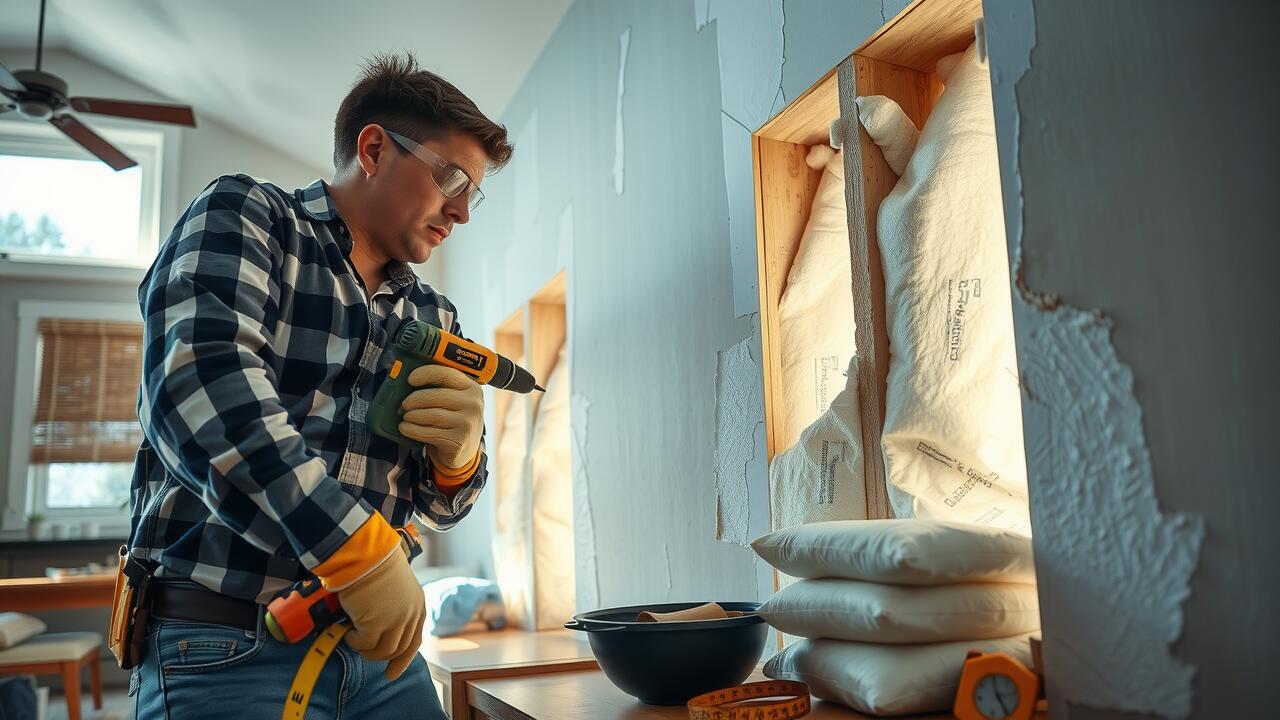
At Insul8, we specialise in cavity wall insulation, a highly effective solution designed to enhance the energy efficiency of your property. Our expert team utilises top-quality materials to fill the void between your home’s inner and outer walls, significantly reducing heat loss and helping you maintain a comfortable living environment all year round. By improving thermal performance, cavity wall insulation not only lowers your energy bills but also contributes to a greener footprint by reducing carbon emissions. Trust Insul8 to deliver a professional and efficient service tailored to meet your specific needs, ensuring your home is both cosy and cost-effective.
Funding and Financial Support
Homeowners interested in cavity wall insulation can benefit from various financial support options that facilitate the installation of energy-efficient solutions. The Great British Insulation Scheme, for instance, offers grants aimed at reducing fuel poverty. Through government-funded initiatives, households can access funding to help cover the costs of installing insulation materials such as mineral wool, beads, and polystyrene. This support is particularly beneficial for low-income families who may struggle to afford the initial outlay for insulation work.
In Scotland, Wales, Northern Ireland, and England, different organisations, including the Energy Saving Trust, provide resources and advice on available schemes. These schemes often cater to specific requirements, including properties with cavity walls and those needing retrofit solutions. Assistance may include direct financial support or interest-free loans, allowing homeowners to manage installation costs more effectively. Understanding the various funding options can ensure better decision-making when enhancing energy efficiency in homes.
Government Schemes for Homeowners
Homeowners seeking to improve energy efficiency through cavity wall insulation can take advantage of several government schemes aimed at reducing the financial burden. The Energy Company Obligation (ECO) is particularly prominent, encouraging energy suppliers to help households access insulation services. This initiative is designed to support low-income households, including landlords and those receiving certain benefits. Utilising these programmes not only helps to lower energy bills but also contributes to a reduction in carbon emissions, aligning with broader environmental goals.
Various schemes are tailored for specific regions across the UK, including grants available in England, Wales, and Scotland. These grants often cover a significant portion of insulation costs, making home improvements more accessible for homeowners. Potential applicants should also explore the initiatives offered by local councils, as they may provide additional financial support or guidance. It is essential to gather information from reliable sources, such as Citizens Advice, to ensure eligibility and to navigate the application process effectively.
Choosing the Right Installer
Selecting a qualified installer for cavity wall insulation is essential for achieving optimal energy efficiency and compliance with building regulations. Look for contractors who are certified by recognised organisations such as the Building Research Establishment or those accredited under national standards. An experienced installer should have a track record of working in similar projects, particularly in social housing, to ensure familiarity with common issues such as rising damp and humidity management.
It’s also important to verify that potential contractors adhere to current regulations and industry guidelines, including those set by trading standards. Prospective clients should request an energy performance certificate and check the contractor’s qualifications concerning materials such as polyisocyanurate and XPS. Engaging a professional who is committed to environmentally friendly practices will enhance the insulation’s overall performance while contributing positively to the climate. Additionally, assessing their reputation through customer reviews can provide insights into their reliability and the quality of service.
What to Look for in a Professional Contractor
When selecting a professional contractor for cavity wall insulation, it’s essential to consider their qualifications and experience. A reputable contractor will typically possess relevant certifications that demonstrate compliance with industry standards. Look for those who are registered with recognised trade bodies, as this often indicates a commitment to quality work. Moreover, customer reviews and testimonials can provide insights into their track record and reliability.
Equally important is the type of insulation materials the contractor intends to use. The insulation should meet current energy efficiency regulations and ideally come from trusted manufacturers. Options may include fibreglass, expanded polystyrene, or even expanding foam, each having its own advantages. Ensure that the contractor offers a comprehensive assessment of your property to determine the most suitable insulation solution. Your choice should also factor in the contractor’s ability to handle any specific challenges posed by your home, such as rising damp or adapting to external wall insulation needs.
Using a professional contractor reduces the chance of problems with you insulation, but we can also assess and help with cavity wall insulation removal.
Cost Considerations
When considering cavity wall insulation, understanding the potential costs involved is essential for homeowners. The type of insulation material selected can significantly influence expenses. While options like urea formaldehyde and thermoset plastics may offer varying degrees of thermal efficiency and acoustic insulation, some materials are more affordable and environmentally friendly. Using recycled materials, such as recycled glass or plastic fillers, can provide a cost-effective solution while contributing to sustainability goals. Additionally, homeowners should factor in installation costs, compliance with building regulations, and the need for possible inspections to meet the standards set by institutions like the Royal Institution of Chartered Surveyors.
Budgeting effectively also requires an awareness of financing options available for insulation projects. Certain government schemes provide rebates for energy-efficient installations, making it easier to manage upfront costs. For instance, support may be available for social housing projects or via programs that assist individuals on pension credits or child benefits. These funding opportunities can significantly reduce financial burdens and promote investment in energy efficiency. Homeowners should also consider the long-term savings on energy bills as insulation improves thermal conductivity, reducing heating demands and carbon dioxide emissions, ultimately making the property more thermally efficient.
Estimating the Total Installation Costs
When estimating the total installation costs for cavity wall insulation, various factors come into play. The type of insulation material chosen can significantly affect the final price. Options such as polystyrene beads or mineral wool each have their inherent costs, along with different thermal properties that may influence long-term energy savings. Additionally, property specifics, including whether the home is a semi-detached or has a conservatory, can alter the complexity and time needed for installation, which in turn impacts the overall expense.
Homeowners must also consider potential funding options available through government schemes aimed at reducing emissions and improving energy efficiency. Low-income households may qualify for financial assistance, reducing out-of-pocket costs. Understanding the environment surrounding installation, including current energy prices and the potential for rising fuel costs, helps in making an informed decision. Furthermore, consulting with a professional contractor may clarify any unforeseen costs related to repairs or preparation work that could arise, ensuring that the final budget aligns with expectations.
FAQS
What is cavity wall insulation?
Cavity wall insulation involves filling the space between the two walls of a cavity wall structure with insulating material to improve energy efficiency and reduce heat loss in a home.
How can I find funding for cavity wall insulation?
Homeowners can explore various government schemes and financial support options designed to subsidise the cost of cavity wall insulation, including grants and energy efficiency loans.
What should I look for in a professional contractor for insulation installation?
When choosing a contractor, consider their qualifications, experience, customer reviews, and whether they are registered with relevant trade bodies or have accreditation in cavity wall insulation.
What factors influence the cost of cavity wall insulation installation?
The total installation costs can vary based on the size of the property, type of insulation material used, accessibility of the walls, and any additional work required before or after the installation.
Is cavity wall insulation suitable for all types of homes?
Cavity wall insulation is most effective in homes with cavity walls; however, older properties with solid walls may require different insulation solutions, so it’s important to consult with a professional before proceeding.