Professional vs. DIY Replacement
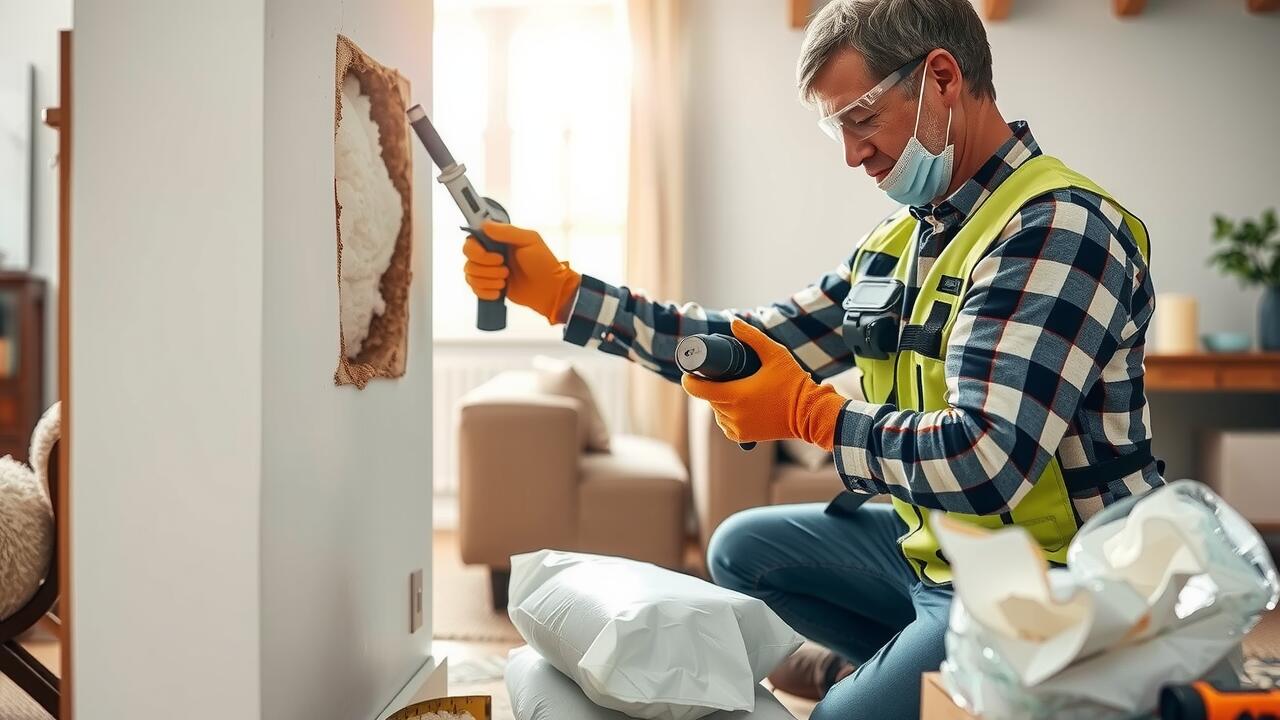
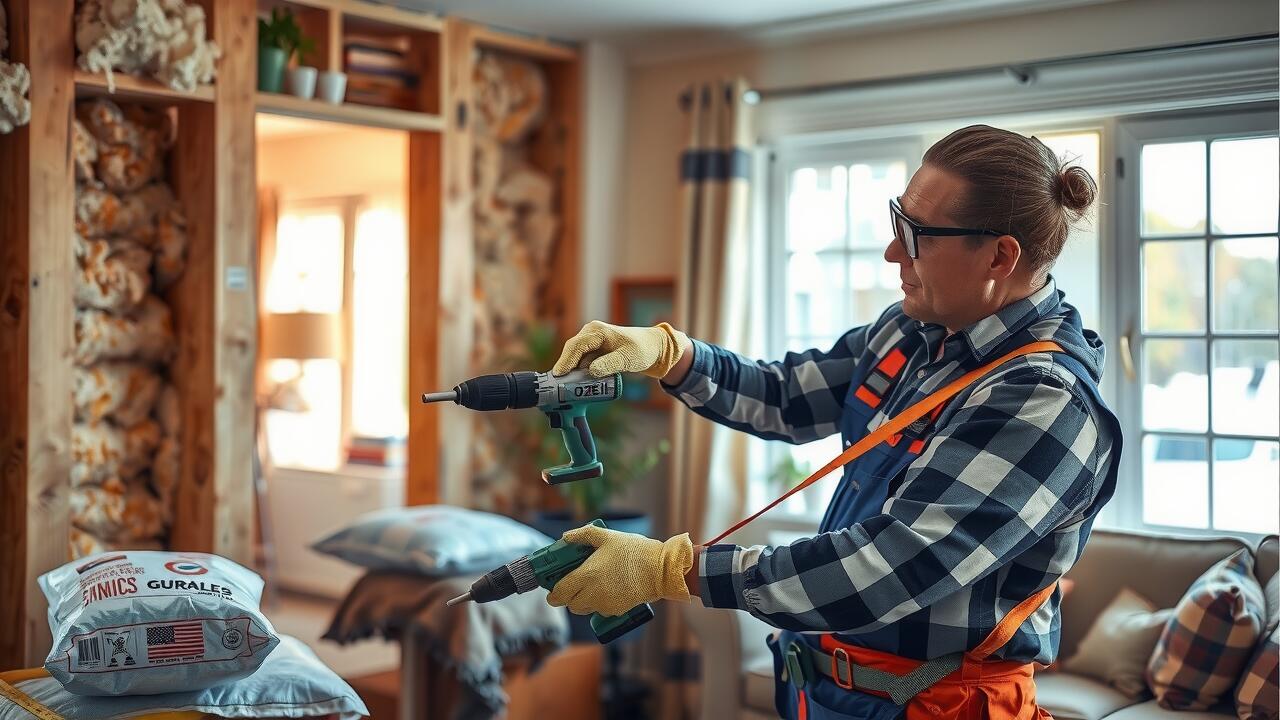
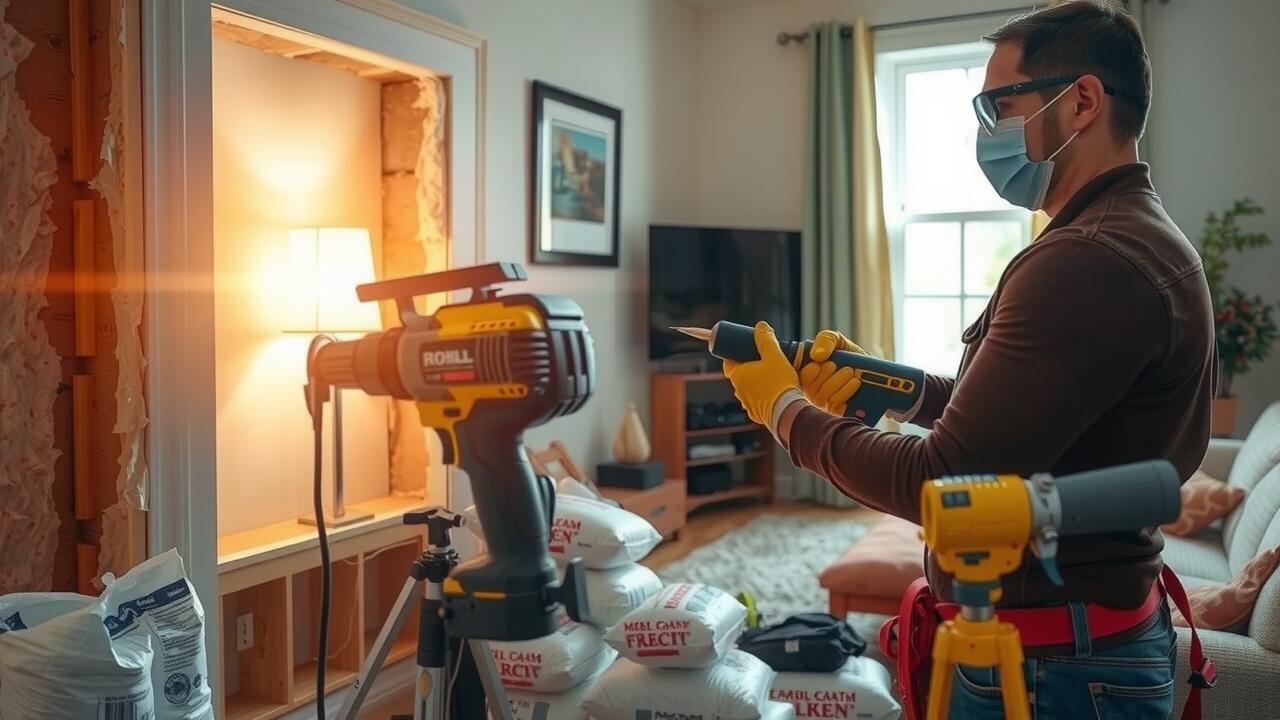
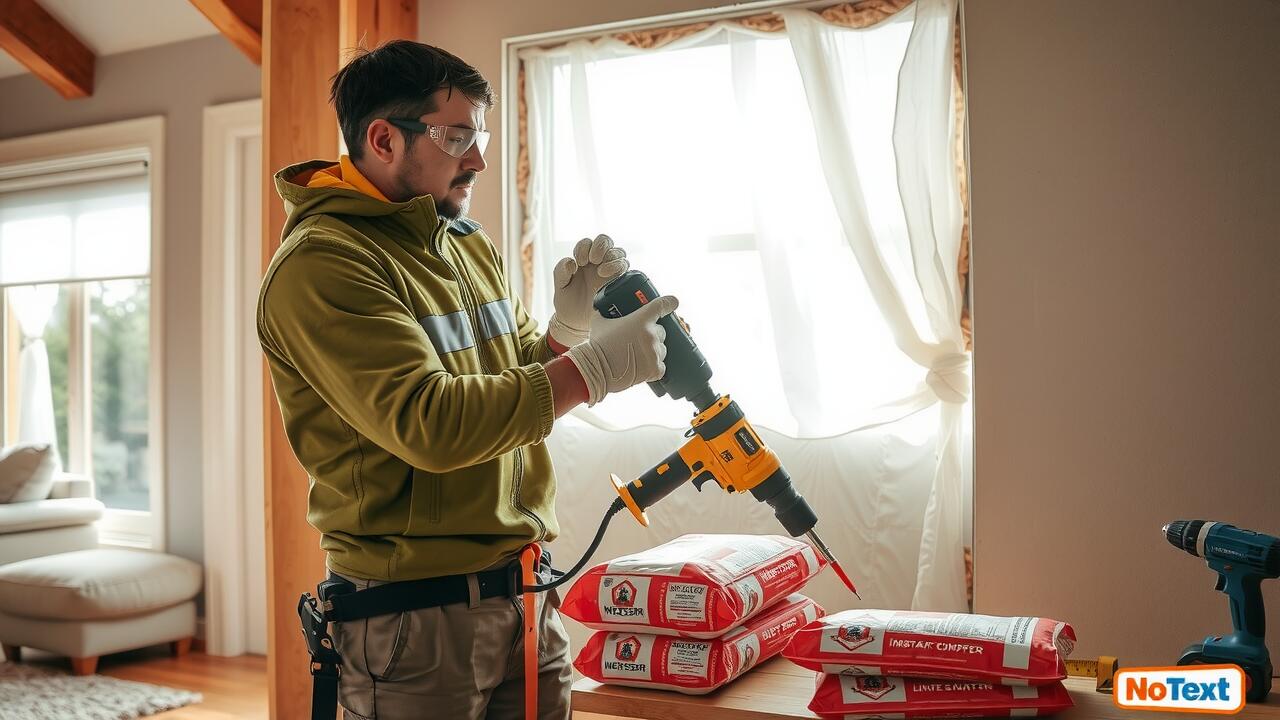
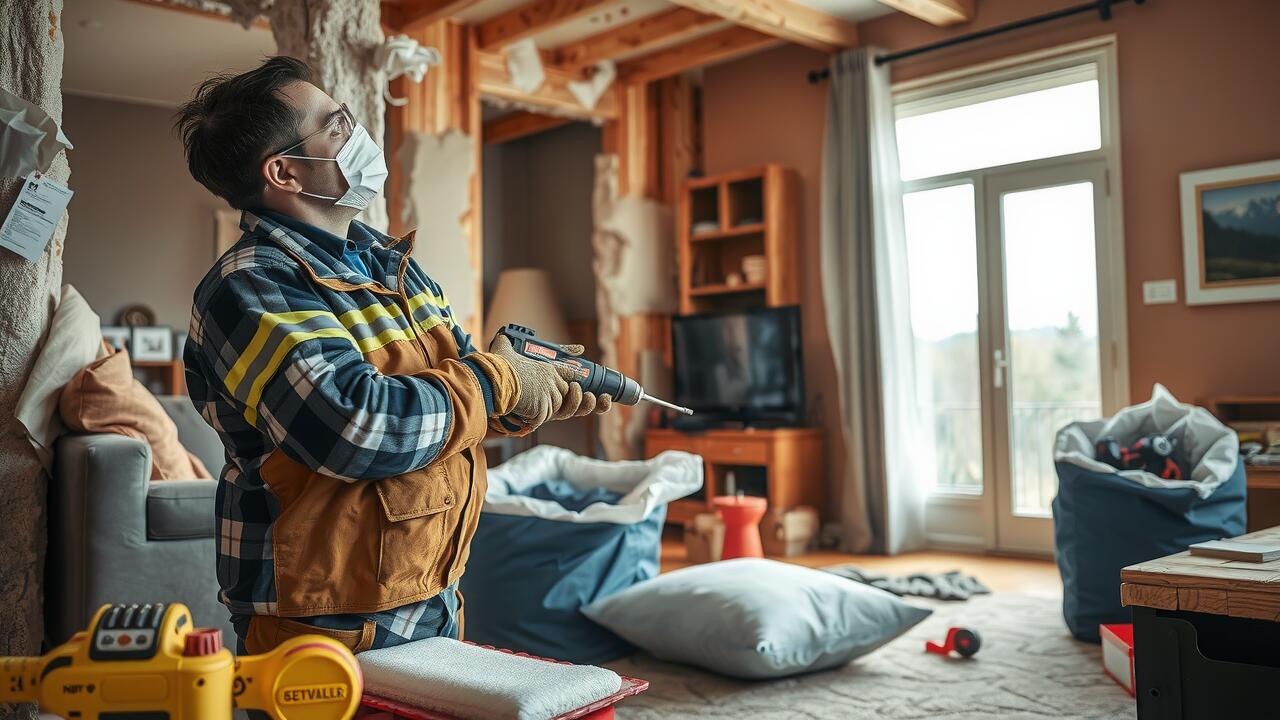
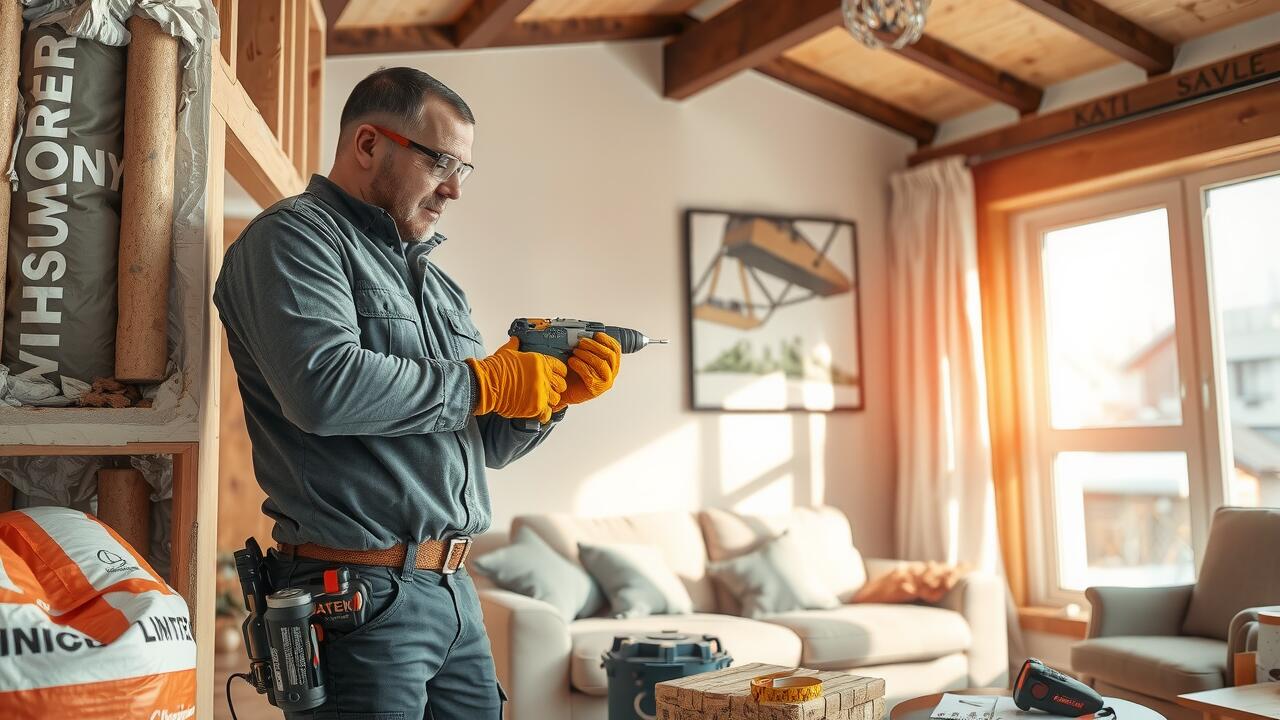
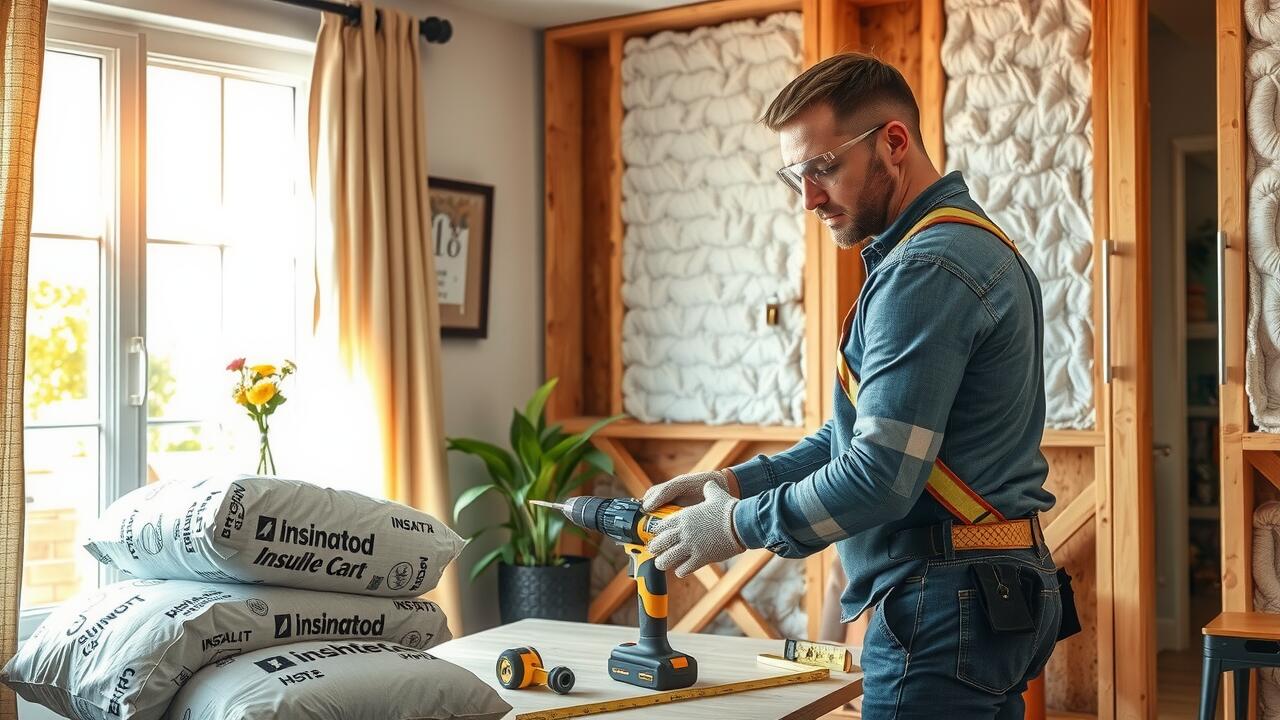
Choosing between professional installation and a DIY approach for cavity wall insulation in your home can significantly impact the results. Professional installers bring experience, specialised equipment, and an understanding of building regulations, ensuring that the insulation is installed correctly and safely. This expertise can lead to enhanced energy efficiency and fewer long-term issues, making it a reliable option for homeowners concerned about performance.
On the other hand, DIY installation of cavity wall insulation in a property might appeal to those looking to save money. For skilled individuals who possess the necessary tools and knowledge, tackling the project independently can be a fulfilling endeavour. However, this option carries risks, such as improperly installed insulation leading to moisture problems or decreased effectiveness. Therefore, careful consideration of one’s abilities and the potential consequences is crucial in making this decision.
Weighing Your Options and Skills
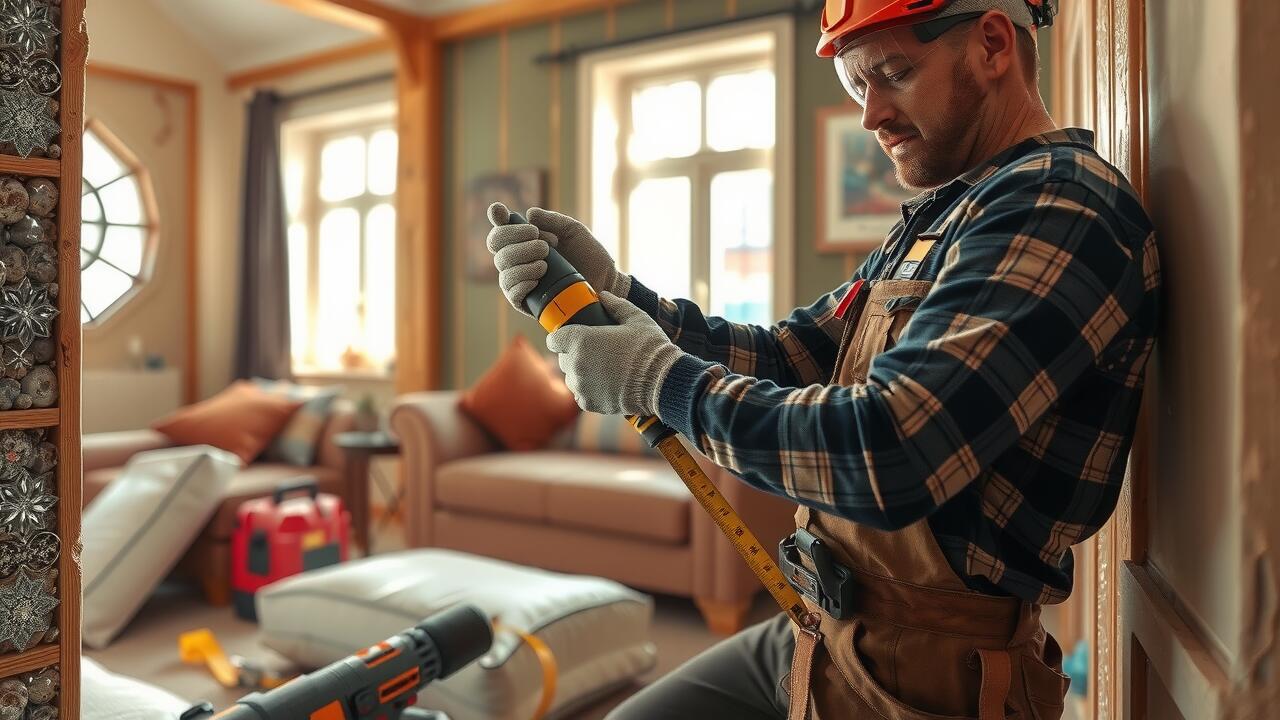
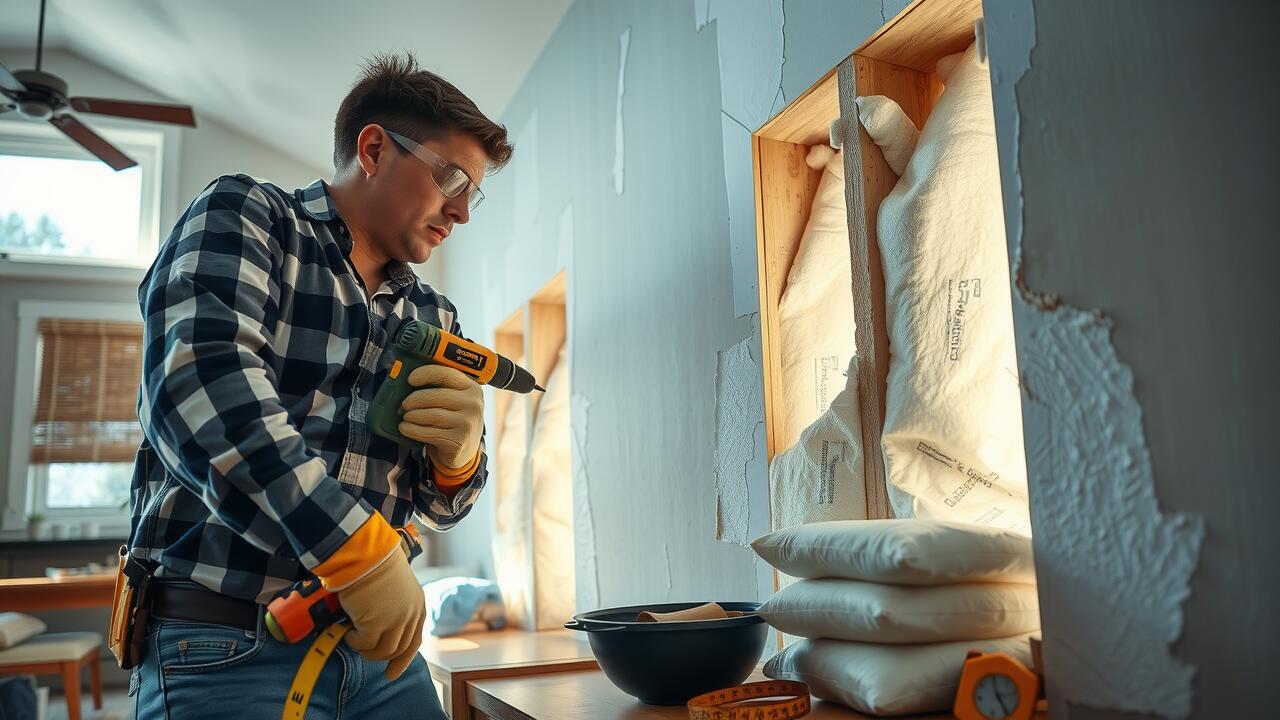
Choosing between professional services and a DIY approach for cavity wall insulation in your home requires careful consideration of both your skills and the complexity of the task. Professional installation typically guarantees quality and adherence to safety standards, providing peace of mind. This option may be more suitable for those who lack experience or for homes with specific challenges that necessitate expert intervention. On the other hand, a DIY approach might save on upfront costs if you possess the necessary skills and tools.
Assessing your capabilities is crucial when deciding whether to undertake the project yourself. Familiarity with insulation materials and methods is essential for ensuring effective results. Additionally, understanding local building regulations and potential pitfalls in the installation process can make a significant difference. An informed decision will lead to better outcomes, whether you decide to engage professionals or take on the task independently.
Cost Implications of Cavity Wall Insulation
Investing in cavity wall insulation in your home can lead to significant long-term savings on energy bills. Over time, the insulation helps maintain a comfortable indoor temperature, reducing the reliance on heating and cooling systems. While the initial installation cost might deter some homeowners, the financial benefits often outweigh these upfront expenses. Additionally, insurers may offer lower premiums for well-insulated properties, further enhancing the overall savings potential.
When considering cavity wall insulation in terms of replacement, it is essential to factor in both current market prices and potential fluctuations. The cost can vary based on the type of insulation materials chosen, the scale of the project, and whether professional installation is required. Homeowners may also need to consider any ancillary costs, such as repairs to existing walls or additional upgrades needed to maximise efficiency. Budgeting carefully ensures that you account for all factors without compromising on quality.
Budgeting for Replacement or Upgrades
When planning for the replacement or upgrade of cavity wall insulation in your home, it is essential to consider both the initial outlay and potential long-term savings. The upfront costs can vary significantly based on the type of insulation material chosen, the size of the property, and whether professional installation is required. Potential homeowners should also factor in any grants or financial incentives available for energy efficiency improvements, which can alleviate some of the financial burden. A thorough assessment of your property will provide clarity on whether a partial upgrade or a complete replacement is necessary.
Understanding the ongoing benefits of effective cavity wall insulation in relation to energy savings can significantly impact your budget. Investing in high-quality materials may lead to lower heating bills and improved comfort levels in your home, making it a wise financial decision in the long run. Additionally, improved insulation can enhance property value and appeal, a consideration for those thinking of selling in the future. Balancing these costs with the advantages of energy savings will help to create a well-informed financial plan regarding your insulation needs.
Environmental Impact of Insulation Choices
When considering the environmental impact of insulation choices, cavity wall insulation in homes plays a significant role in energy efficiency and carbon footprint reduction. The materials used in insulation products can vary widely, with some offering better sustainability features than others. For instance, natural fibres such as sheep’s wool and cellulose derived from recycled paper can provide effective insulation solutions while being less harmful to the environment compared to synthetic alternatives. Opting for sustainable materials not only contributes to enhanced thermal efficiency but also promotes a circular economy.
Additionally, the installation process of cavity wall insulation in existing structures can generate waste and emissions. Selecting products that are manufactured locally reduces transportation emissions, thereby further minimising the overall environmental impact. Homeowners should also consider the longevity and recyclability of insulation materials, as this can influence the lifecycle impact of their choice. Prioritising environmentally-friendly options can lead to long-term benefits, both in terms of energy savings and minimising ecological harm.
Sustainable Materials and Practices
Choosing sustainable materials for cavity wall insulation in your home not only contributes to environmental preservation but also enhances energy efficiency. Natural options like cellulose, made from recycled paper, and cork, derived from renewable bark, provide excellent thermal performance without the negative impacts often associated with synthetic insulations. These materials are biodegradable and can help reduce the carbon footprint of construction projects.
Adopting sustainable practices in the installation of cavity wall insulation in your property can further amplify these benefits. This includes ensuring proper techniques to minimise waste and maximise effectiveness. Using local suppliers for insulation materials reduces transportation emissions, while following recycling guidelines for old insulation contributes to a more circular economy. Investing in environmentally friendly options enables homeowners to play a part in combating climate change while reaping the long-term energy savings.
FAQS
How long does cavity wall insulation typically last?
Cavity wall insulation generally lasts between 20 to 30 years, depending on the materials used and the conditions of your property.
What signs indicate that cavity wall insulation needs replacing?
Signs that your cavity wall insulation may need replacing include increased energy bills, cold spots in your home, dampness or mould on walls, and visible deterioration of the insulation material.
Is it better to hire a professional for cavity wall insulation replacement?
While some homeowners may choose to undertake the task themselves, hiring a professional is often recommended. They have the expertise and equipment to ensure the insulation is installed correctly, which can save you time and potential future costs.
What factors affect the cost of replacing cavity wall insulation?
The cost can vary based on factors such as the size of your property, the type of insulation material chosen, labour costs, and any necessary repairs to the walls before installation.
Are there eco-friendly options for cavity wall insulation?
Yes, there are several eco-friendly options available for cavity wall insulation, including recycled materials and natural fibres, which can help reduce your environmental footprint while improving your home’s energy efficiency.