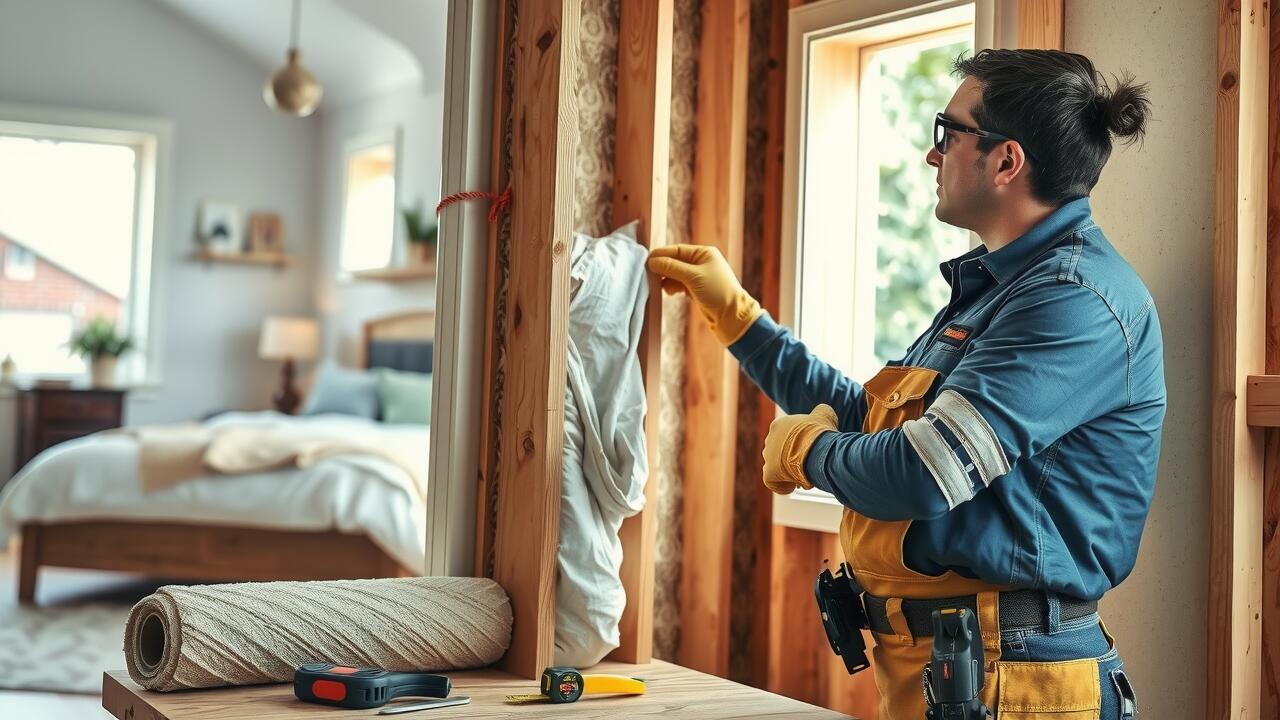
Applying a Vapour Barrier
A vapour barrier is an essential component in the process of wall insulation, particularly when insulating cold walls from the inside. This barrier, typically made of plastic sheeting or foil, plays a crucial role in preventing moisture from penetrating the insulated wall. Without a proper vapour barrier, moisture can condense within the insulation material, leading to potential mould growth and degradation of the insulation’s effectiveness. Ensuring that the vapour barrier is installed correctly is vital for maintaining a dry and warm living environment.
When applying a vapour barrier, attention must be paid to the seams and edges. Overlapping the seams by at least 15 centimetres helps create an airtight seal. For extra protection, using tape specifically designed for vapour barriers can further reduce the chances of moisture intrusion. Positioning the vapour barrier on the warm side of the insulation works best, as it prevents warm air inside the living space from meeting colder surfaces, thus reducing condensation risks. Properly executed, this step significantly enhances overall wall insulation performance and longevity.
Why Use a Vapour Barrier?
A vapour barrier plays a crucial role in wall insulation by preventing moisture from penetrating the walls. This is particularly important in cold wall situations where condensation can lead to dampness and mould growth. A vapour barrier creates a protective layer that keeps the interior space dry, significantly enhancing the overall effectiveness of the insulation. Without this barrier, the moisture trapped within the wall could compromise both the insulation’s performance and the integrity of the structure.
Using a vapour barrier can also contribute to energy efficiency. By minimising heat loss and preventing moisture-related issues, the overall thermal performance of the wall insulation improves. Homes with effective vapour barriers tend to maintain more stable indoor temperatures, reducing the need for excessive heating or cooling. This leads to lower energy bills and a more comfortable living environment, making the installation of a vapour barrier a wise investment for any insulation project.
Finishing the Insulated Wall
Once the insulation is in place, the finishing touches play a crucial role in ensuring that your wall insulation functions effectively. Selecting suitable wall coverings can enhance the aesthetic appeal of the space while also contributing to the insulation’s durability. Options such as plasterboard, which can be easily installed, provide a smooth surface ready for painting or wallpapering. Additionally, moisture-resistant materials can help prevent damp issues, particularly in areas susceptible to humidity.
It is important to ensure that any coverings do not compromise the integrity of the wall insulation. Proper sealing around edges and joints is essential to maintain a complete thermal barrier. Special attention should be given to installations near windows and doors where gaps can occur. These precautions help in maximising the insulation’s effectiveness and contribute to a more energy-efficient environment in your home.
Choosing Suitable Wall Coverings
Selecting appropriate wall coverings is crucial for both aesthetics and functionality when it comes to wall insulation. Materials such as plasterboard, which allows for easy installation and finishing, work well to cover insulated walls. Additionally, using paint with insulating properties can enhance the thermal performance. Textured finishes or wall panels can also add visual interest while ensuring that the wall insulation remains effective and intact.
Considerations regarding moisture resistance and durability should guide your choice of wall coverings. If the area being insulated is prone to dampness, opt for materials designed to resist moisture, such as vinyl or specialised wall cladding. These selections not only protect the wall insulation from potential damage but also contribute to a more appealing environment. High-quality wall coverings can improve energy efficiency while maintaining the integrity of the insulated walls over time.
Maintaining Insulation Effectiveness
To ensure the effectiveness of wall insulation, regular checks should be conducted to identify any signs of damage or wear. These inspections can help detect issues such as moisture build-up or gaps in the insulation material. Addressing problems promptly can prevent costly repairs and ensure that the insulation continues to perform optimally. Maintaining a dry environment within the walls is essential to avoid mould growth and deterioration of the insulation.
Proper upkeep of wall insulation also involves monitoring the surrounding areas for potential sources of heat loss. This includes windows, doors, and electrical outlets, which can create thermal bridges if not properly sealed. Ensuring that these areas are well insulated complements the overall effectiveness of the wall insulation. Additionally, replacing or repairing any damaged materials will help maintain the intended thermal barrier and improve the energy efficiency of the home.
Regular Checks and Upkeep
Regular maintenance is crucial to ensure the effectiveness of your wall insulation. Routine checks should focus on identifying any signs of dampness, condensation, or damage to the vapour barrier. Small issues, if left unchecked, can lead to larger problems such as mould growth or thermal bridging. Inspecting the insulation’s condition periodically helps maintain its performance and longevity.
In addition to visual inspections, it is wise to be mindful of changes in energy bills, as unexpected increases may indicate insulation inefficiency. Ensuring that the wall insulation remains intact and undisturbed will not only conserve energy but also enhance comfort within your home. Taking proactive measures ensures that your insulation continues to perform at its best, safeguarding you against cold weather.
FAQS
What materials are best for insulating a cold wall from the inside?
The best materials for insulating a cold wall typically include foam board insulation, mineral wool, and spray foam, as these provide effective thermal resistance.
Why is a vapour barrier necessary when insulating a cold wall?
A vapour barrier is essential to prevent moisture from penetrating the insulation, which can lead to mould growth and reduce the effectiveness of the insulation over time.
How do I choose suitable wall coverings after insulating?
Suitable wall coverings should be moisture-resistant and compatible with the insulation material used. Options include vinyl wallpaper, paint designed for high-humidity areas, or moisture-resistant drywall.
How often should I check the insulation’s effectiveness?
It’s advisable to perform regular checks at least once a year, or more frequently if you notice signs of dampness or condensation on the walls.
Can I insulate a cold wall myself, or should I hire a professional?
While some homeowners may choose to insulate a cold wall themselves, hiring a professional is recommended for optimal results, especially if you are unsure about the installation process or local building codes.