How to Assess Your Loft Insulation
To evaluate the condition of your loft insulation, start by examining its thickness and uniformity. Ideally, insulation should be between 200mm and 300mm to provide adequate thermal performance. Look for any signs of dampness, mould, or pest infestations, as these can compromise both insulation effectiveness and your home’s air quality. Areas of compression or missing insulation should also be noted, as they indicate where heat loss may be occurring. The assessment should also consider the type of insulation currently present, as different materials have varying lifespans and performance characteristics.
As you assess your loft insulation, it is essential to consider the current energy efficiency of your home. Check your energy bills over time to determine if there has been a notable increase in costs, which may suggest inadequate insulation. Understanding local climate conditions can also aid your assessment. Attic insulation in colder areas typically needs to be more robust than in milder climates. Regular checks of insulation performance can help identify when it is time to upgrade or remove old material to ensure your home remains energy-efficient.
Key Factors to Consider Before Making a Decision
The condition of your existing attic insulation in London can influence your decision significantly. If the old insulation is damaged, damp, or mouldy, removing it before installing new layers is often advisable. Such issues can compromise the efficiency of any new insulation and may lead to further problems, such as poor air quality or pest infestations. A thorough inspection is essential, as it helps identify whether the old material is still effective or requires replacement.
Another important factor to consider is the insulation type currently in place. Different materials have varying lifespans and effectiveness. For instance, older fibreglass or cellulose insulation may not perform as well as modern alternatives. Understanding the R-value associated with your existing insulation can also play a crucial role in assessing whether it should remain or be removed. This value measures thermal resistance, giving you a clearer idea of your home’s energy efficiency and comfort levels.
Steps to Safely Remove Old Insulation
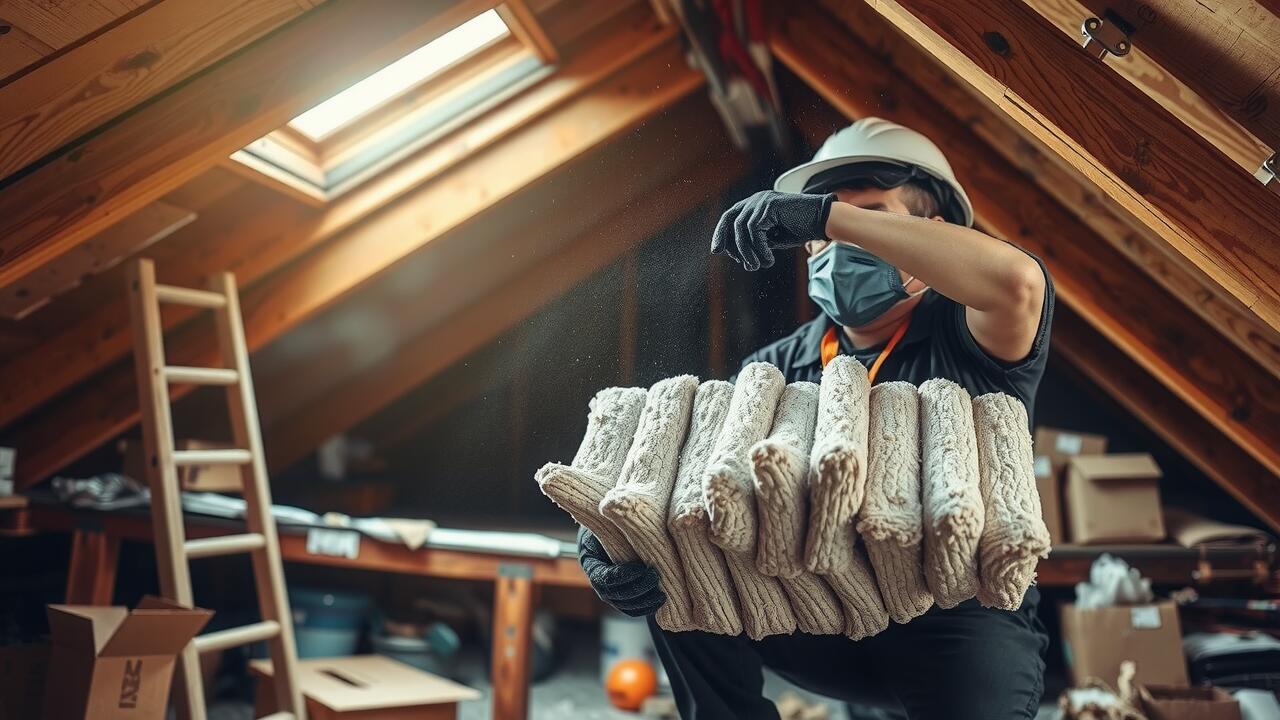
Removing old loft insulation can be a challenging task. First, it is essential to prepare the area by ensuring proper ventilation. Wear protective gear such as masks, gloves, and goggles to minimise exposure to any airborne particles. In older homes, insulation materials may contain hazardous substances like asbestos, so it is crucial to identify the type of insulation you have. If there is any uncertainty, consider consulting a professional to assess the attic insulation in your loft.
Once you have ensured your safety, proceed to carefully remove the old insulation. Use tools like a utility knife or a shovel for rigid insulation, and avoid compacting the remaining material. Bag the insulation securely to prevent any dust from escaping into the air. Dispose of the old insulation according to local regulations, which may involve taking it to a specific waste management facility. Taking these precautions will help create a safer environment as you prepare to lay new insulation in your loft.
Essential Precautions to Take
When planning to remove old loft insulation, prioritising safety is crucial. Ensure you wear appropriate protective gear, such as gloves, a dust mask, and goggles, to guard against harmful dust and fibres. These materials may contain irritants that can affect your respiratory system. Always ventilate the area well by opening windows or using fans to reduce airborne particles during the removal process. If your insulation is old enough, it might be wise to test for the presence of asbestos before proceeding.
Proper handling and disposal of the removed insulation are equally important. Keep the insulation material contained in sealed bags to prevent it from escaping into the environment. Check local regulations regarding disposal, as some types of insulation, especially those containing hazardous materials, may require special handling. Consulting local waste management authorities can provide guidance on safe disposal methods. Taking these precautions will ensure that the area remains safe while effectively tackling attic insulation in your home.
Guidelines for Laying New Loft Insulation
When laying new loft insulation, it is essential to ensure a proper fit to maximise efficiency. Begin by measuring the area accurately, taking note of any obstructions such as beams or pipes. This will help determine the right amount of insulation material needed for effective coverage. When placing the insulation, aim for a snug fit between joists to reduce gaps that could allow heat loss. Overlapping the edges of the insulation can also help enhance thermal performance.
Choosing the right type of insulation material is crucial for optimal energy efficiency. Options such as mineral wool, rigid foam boards, or fibreglass each have distinct advantages based on your specific needs and available space. It is important to consider the thermal resistance, or R-value, which indicates the insulation’s effectiveness in resisting heat transfer. Proper ventilation should not be overlooked, as air circulation in the attic prevents moisture accumulation, thereby prolonging the lifespan of the insulation and ensuring effective attic insulation in your home.
Best Practices for Effective Installation
When laying new loft insulation, start by ensuring the loft space is clean and free from debris. This preparation helps in achieving uniform coverage and optimal performance. Opt for high-quality materials that are suitable for your climate and energy efficiency needs. The chosen insulation should have a high thermal resistance, often specified by its R-value. Correctly measuring and cutting the insulation will prevent gaps that could lead to heat loss.
It is essential to install the insulation in layers if required, ensuring that each layer is smooth and properly aligned. This technique maximises thermal performance and reduces the risk of moisture build-up. Remember to leave space around any ventilation routes to allow for airflow, which helps prevent condensation issues. Proper attention to these details contributes to effective attic insulation in your home, resulting in increased energy efficiency and comfort.
FAQS
Is it necessary to remove old loft insulation before adding new insulation?
It depends on the condition of the existing insulation. If it is damaged, damp, or mouldy, it is advisable to remove it before laying new insulation to ensure effective thermal performance.
How can I assess the condition of my current loft insulation?
Check for signs of dampness, mould, or pest infestations. Look for compressed areas or any visible damage. If the insulation appears flat or less effective, it may need to be removed.
What precautions should I take when removing old loft insulation?
Wear protective gear, including gloves, a mask, and goggles, to protect yourself from dust and allergens. Ensure proper ventilation in the loft and consider using a vacuum with a HEPA filter for safer removal.
Can I lay new insulation over old insulation if it is in good condition?
Yes, if the existing insulation is in good condition, dry, and meets current insulation standards, you can lay new insulation on top. Ensure that it does not exceed the recommended depth for effective performance.
What are some best practices for installing new loft insulation?
Ensure that the loft is clean and dry before installation. Use the appropriate type of insulation for your needs, and follow the manufacturer’s guidelines. Pay attention to gaps and seams to ensure a proper seal for maximum energy efficiency.