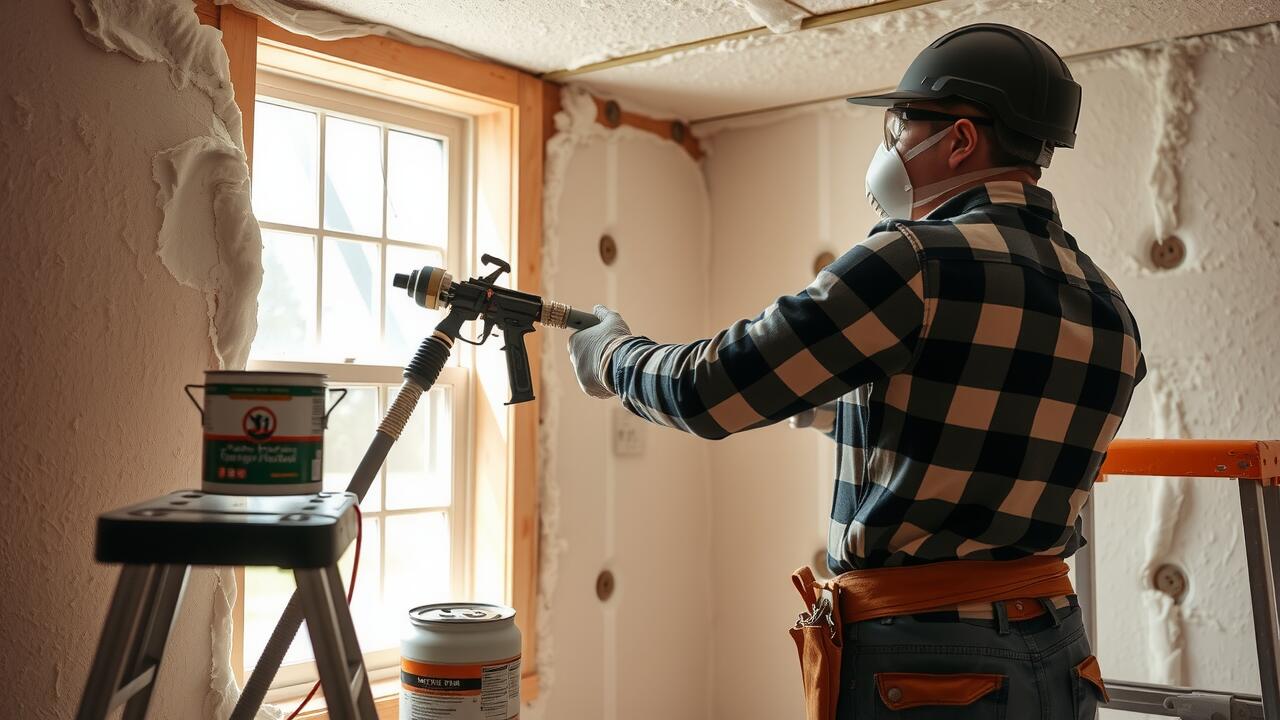
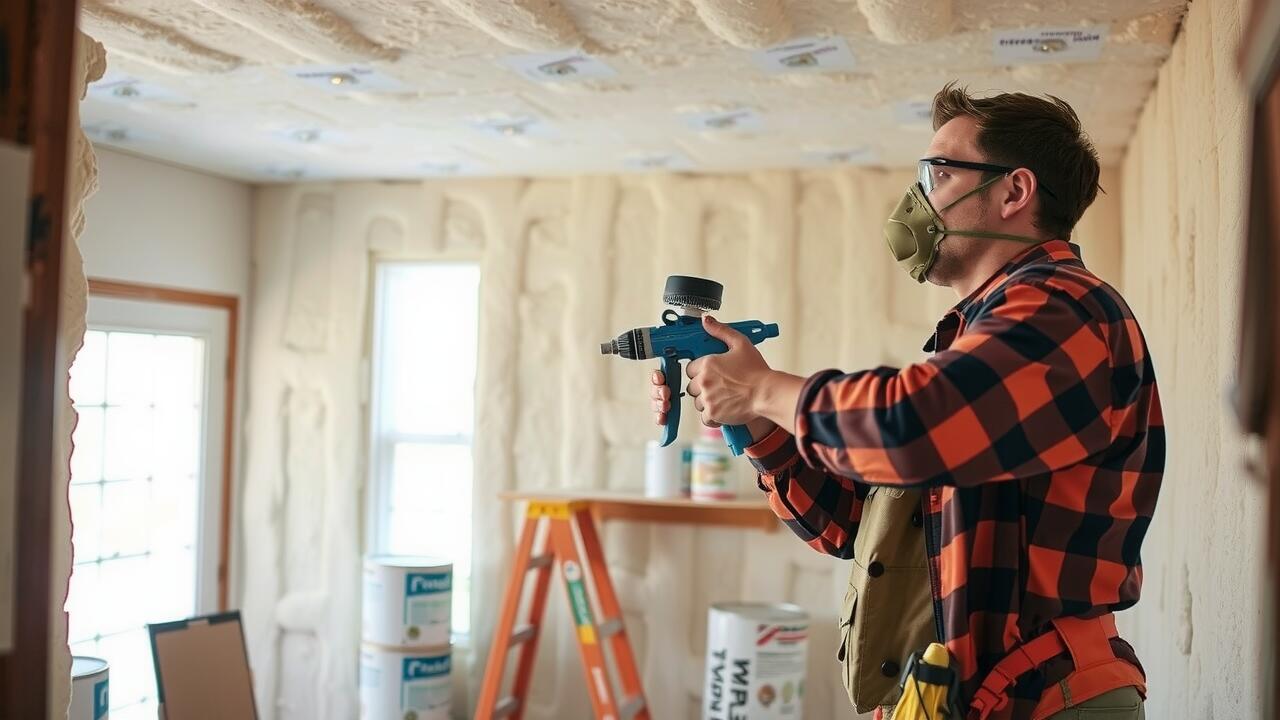
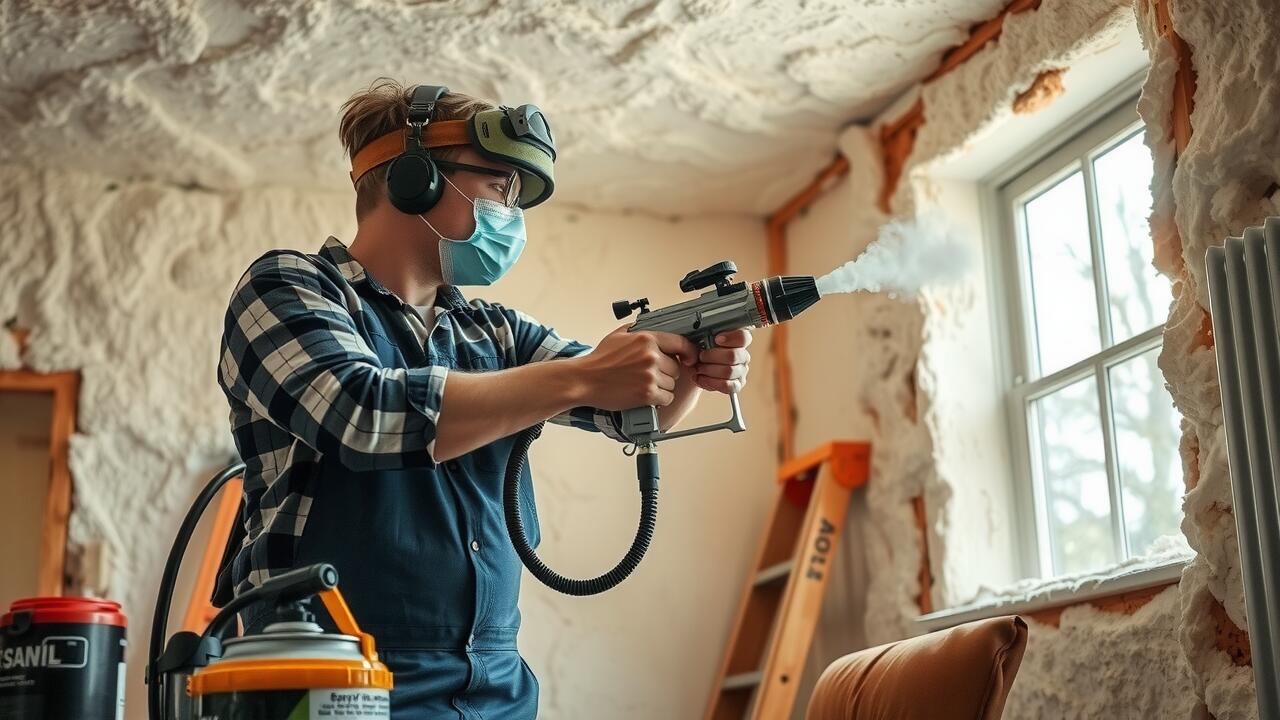
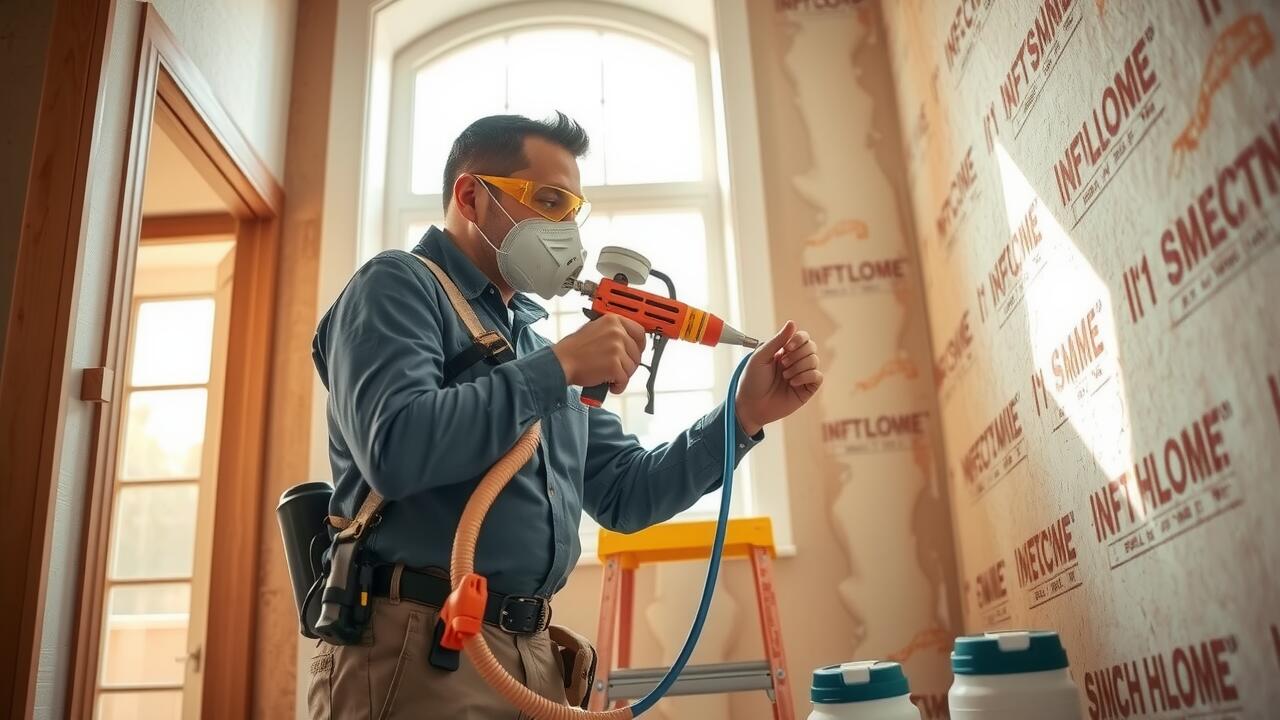
At Insul8, we specialise in providing top-quality spray foam insulation that enhances energy efficiency and creates a comfortable living environment. Our spray foam insulation service involves the application of a versatile, expanding foam that effectively fills gaps and cracks, offering superior thermal resistance and air sealing properties. This innovative solution not only helps to reduce heating and cooling costs by minimising energy loss but also contributes to improved indoor air quality by preventing moisture build-up and mould growth. With our team of experienced professionals, Insul8 is committed to delivering a tailored insulation solution that meets the unique needs of your home or business, ensuring long-lasting benefits and satisfaction.
Safety Considerations During Installation
When undertaking spray foam insulation installation, safety should be a primary concern for both contractors and homeowners. The use of isocyanates, a key component in polyurethane foam, necessitates the implementation of proper safety measures. Personal protective equipment, including gloves, goggles, and respirators, is essential to safeguard against fumes and allergic reactions. Adequate ventilation in the area is critical to disperse any potentially harmful vapours produced during the application process. This can significantly reduce the risk of irritation and ensure that the environment remains safe for installation.
Monitoring temperature and humidity levels during installation is equally vital. High moisture levels can lead to condensation issues, jeopardising the integrity of the insulation and encouraging mould growth. Contractors should also be mindful of the need for thorough inspections following installation, ensuring the foam has been applied correctly in all intended areas without leaving gaps. Attention to detail, including the correct density of the foam and proper application techniques, contributes to the overall effectiveness and safety of the insulation process.
Ensuring Proper Ventilation and Protection
Proper ventilation is crucial during the installation of spray foam insulation. When the liquid mixture is applied, it expands and solidifies into an airtight barrier, which can trap fumes and moisture if not adequately ventilated. Ensuring that the area is well-ventilated helps dissipate any harmful vapours released during the curing process and reduces the risk of mildew or mould growth. It is advisable to keep windows open or use fans to create air circulation, particularly in confined spaces like basements or attics.
In addition to ventilation, personal protective equipment (PPE) is essential for installers to safeguard against potential hazards associated with spray foam insulation. Respiratory masks, gloves, and goggles prevent exposure to chemicals and prevent irritation. Maintaining the manufacturer’s guidelines and adhering to safety protocols can enhance both the efficacy of the insulation and the wellbeing of all involved. Proper precautions not only protect the installers but also ensure a safe environment for future occupants, emphasising the importance of quality assurance in insulation projects.
Identifying Common Problems with Spray Foam
Spray foam insulation can present a variety of challenges that homeowners should be aware of. One common issue arises from the improper application of the foam, leading to a range of problems including air leaks, which contribute to heat transfer and energy inefficiency. When not correctly cured, foam may also create unsightly bubbles or lumps in the finished product. These imperfections not only detract from the aesthetics but can also compromise the material’s effectiveness in insulating attics or ceilings.
Another problem worth noting is the potential impact on indoor air quality. Fumes released during installation can pose risks to respiratory health if proper safety measures are not observed. It is crucial to ensure that suitable vapour barriers are in place, especially in areas susceptible to moisture and decay. Homeowners should conduct thorough research prior to installation, seeking out reputable contractors familiar with relevant regulations and best practices to mitigate these concerns effectively.
Issues to Watch Out For
When considering spray foam insulation, it’s essential to remain vigilant about potential issues that can arise during installation and use. One significant concern involves the health risks associated with inadequate ventilation. The materials used, such as urethane and hydrofluorocarbons (HFCs), can emit volatile organic compounds (VOCs) during and after the application process. Homeowners may experience symptoms like chest tightness or respiratory issues, including asthma attacks and bronchitis, particularly if they have existing sensitivities. Ensuring proper ventilation can mitigate these risks and improve indoor air quality.
Another aspect to monitor is the long-term performance and compatibility of the insulation materials. While spray foam offers high R-values and excellent thermal resistance compared to traditional insulation like glass wool or fiberglass, improper installation can lead to problems such as air leaks and moisture retention. It’s essential to pay attention to the credentials of the contractor and check for compliance with relevant regulations like the Montreal Protocol and the Kigali Amendment, ensuring that the insulation solution is both effective and environmentally responsible. Regular inspections can help identify any concerns before they escalate, maintaining the integrity and performance of your insulation.
Choosing the Right Contractor
Selecting the right contractor for spray foam insulation is crucial to ensure optimal installation and long-term performance. Look for professionals who have experience specifically with insulating foam and possess the necessary qualifications. Certification from relevant industry standards, such as ISO 9001, can be a strong indicator of a contractor’s commitment to quality. Seek recommendations and reviews from previous clients to gauge the contractor’s reliability and workmanship. A good contractor will also be knowledgeable about relevant regulations, including safety measures for handling isocyanates associated with spray foam.
Communication is another key factor when choosing an installer. The right contractor should be willing to provide a detailed estimate, including the types of materials they plan to use, and explain the installation process in layman’s terms. Check that they use non-toxic materials and are aware of the specific needs of your property, such as humidity levels and insulation type suitable for flat roofs or concrete structures. It’s essential to ensure they are also up-to-date with advancements in energy-efficient solutions, aligning with objectives like net zero targets and the requirements set forth in the Kyoto Protocol.
What to Look For in an Installer
Choosing an installer for spray foam insulation requires careful consideration. Look for professionals who have experience specifically with polyurethane (PU) insulation and understand the nuances involved in working with various substrates, including concrete slabs and different types of framing and filling materials. Certifications from reputable organisations, such as the United States Environmental Protection Agency, are indicative of a contractor’s commitment to safety and compliance with occupational health and safety standards. Ensure they use high-quality equipment, including spray guns made from durable materials like aluminium alloy, to achieve a consistent insulation application.
It is equally important to assess their approach to safety and environmental concerns. A knowledgeable installer should prioritise proper ventilation during the installation process to minimise exposure to volatile organic compounds (VOCs) and ensure air quality in the home. Additionally, they should provide clear information about the symptoms of potential respiratory issues that may arise from poor installation practices. Be sure to ask about the use of vapour barriers and the ways they manage possible moisture and mildew risks. A transparent contractor will not only explain their methods but will also offer insights into energy savings associated with effective insulation and how it can benefit long-term thermal resistance in your home.
FAQS
What is spray foam insulation?
Spray foam insulation is a type of insulation material that is applied as a liquid and expands to form a solid foam. It is used to fill gaps and cavities, providing an effective barrier against heat and sound transfer.
How can I ensure safety during the installation of spray foam insulation?
To ensure safety during installation, it is essential to work in a well-ventilated area, wear appropriate protective gear such as gloves and masks, and follow all manufacturer’s guidelines and safety protocols.
What are some common problems associated with spray foam insulation?
Common problems can include improper installation leading to gaps or uneven coverage, off-gassing of chemicals, and moisture issues if not installed correctly. It’s important to monitor for any signs of these issues post-installation.
How can I choose the right contractor for spray foam insulation?
When choosing a contractor, look for qualifications such as certifications, experience in spray foam installation, positive customer reviews, and references. It’s also beneficial to get multiple quotes to compare pricing and services.
How long does spray foam insulation last?
Spray foam insulation can last for several decades when properly installed and maintained, typically around 20 to 30 years, depending on environmental conditions and the quality of the installation.