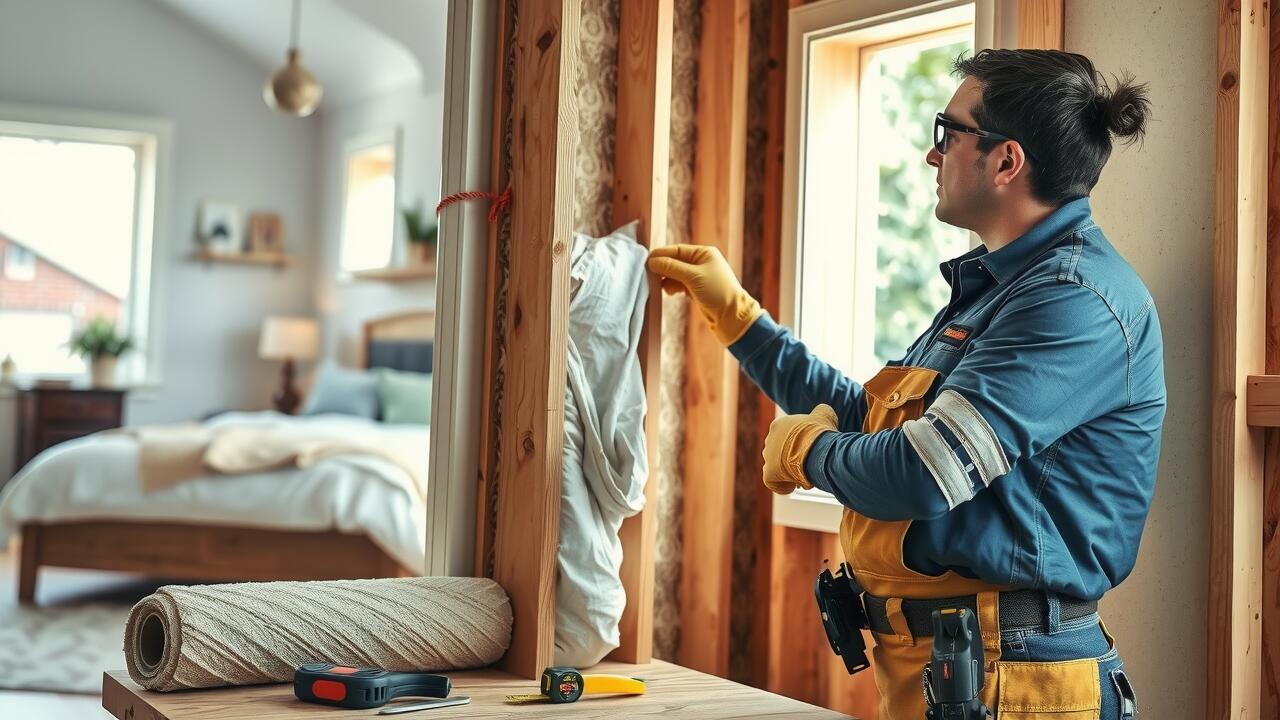
Environmental Impact of Wall Insulation
The environmental impact of wall insulation is a crucial consideration in today’s eco-conscious society. Materials used in insulation can vary widely in their ecological ramifications, from manufacturing processes to end-of-life disposal. Some insulation options may entail significant resource consumption and emissions during production. Evaluating the lifecycle of these materials helps to understand the potential benefits and drawbacks associated with wall insulation in both residential and commercial buildings.
Many consumers now prioritise sustainability when selecting insulation products. Eco-friendly options, such as recycled or renewable materials, tend to have a lower carbon footprint and offer excellent thermal performance. As interest in energy efficiency grows, the push for sustainable wall insulation in new constructions and refurbishments has become more prominent. Choosing materials that are not only effective but also environmentally responsible can contribute to a smaller impact on the planet.
Sustainable Materials and Their Benefits
Sustainable materials play a crucial role in modern wall insulation solutions. These materials, often sourced from renewable resources, not only minimise environmental impact but also contribute to a healthier indoor climate. Eco-friendly options like cellulose, hemp, and sheep’s wool offer excellent thermal performance and breathability. Wall insulation in homes constructed with these materials helps regulate indoor temperatures while absorbing excess moisture, thereby enhancing overall comfort.
In addition to their environmental benefits, sustainable insulation materials often possess low embodied energy. This means that the energy used in their production, transport, and installation is considerably less than that of traditional insulation options. By choosing wall insulation in sustainable materials, homeowners can reduce their carbon footprint. Furthermore, many of these materials are biodegradable or recyclable, promoting a circular economy and reducing the amount of waste sent to landfill.
Insulation for Different Wall Types
Different types of walls require specific approaches to insulation to achieve optimal energy efficiency. Solid walls, typically found in older properties, can benefit from materials such as insulated render or internal wall insulation, which helps reduce heat loss. Using proprietary systems designed for solid walls can significantly improve thermal performance. Conversely, cavity walls, which consist of two layers with a gap in between, can incorporate cavity wall insulation made from materials such as mineral wool or polystyrene beads, filling the gap effectively to prevent heat escape.
The choice of insulation material also impacts moisture control and the overall integrity of the wall structure. Wall insulation in solid walls needs special attention to prevent issues related to dampness, as adding insulation can sometimes trap moisture within the wall. Cavity wall insulation, when installed correctly, offers an effective barrier against moisture intrusion while enhancing the building’s thermal efficiency. A tailored approach to each wall type not only optimises energy usage but also contributes to the longevity and comfort of the living space.
Solid vs. Cavity Wall Insulation
When considering wall insulation in residential properties, the distinction between solid and cavity wall insulation is crucial. Solid walls consist of a single layer of material, offering limited options for insulation. Typically, solid wall insulation requires internal or external render systems, which can be more challenging and costly to install. These systems must be carefully designed to mitigate issues such as moisture ingress and thermal bridging. In contrast, cavity walls feature an inner and outer layer separated by a gap, allowing for the insertion of insulation material within this cavity. This approach generally leads to better thermal performance and easier installation compared to solid wall methods.
Solid wall insulation in older buildings can often lead to complications such as dampness if not correctly managed. The rigid structure of solid walls may also increase heat loss without incorporating appropriate insulation solutions. For cavity wall insulation, the materials used can vary widely, including mineral wool, foam boards, or blown cellulose. Each material offers distinct advantages regarding thermal efficiency, cost-effectiveness, and installation ease. Ultimately, choosing between solid and cavity insulation involves assessing the specific characteristics of the property and the desired energy efficiency outcomes.
Performance Ratings of Insulation Materials
When assessing the effectiveness of wall insulation, performance ratings play a crucial role in the overall efficiency of a building’s thermal envelope. Two of the primary metrics used to measure insulation performance are R-values and U-values. The R-value indicates the resistance of the insulation material to heat flow; a higher R-value signifies better insulating effectiveness. Conversely, the U-value measures the rate of heat transfer through a building element. Therefore, a lower U-value indicates better insulating performance. Wall insulation in residential and commercial construction typically aims for optimal R-values and U-values to maximise energy efficiency, reduce heating costs, and enhance occupant comfort.
Different insulation materials boast varying performance ratings, which can significantly impact their suitability for various applications. For example, traditional fibreglass batts offer moderate R-values, while advanced solutions like spray foam can achieve much higher ratings due to their superior air sealing capabilities. Wall insulation in solid masonry buildings may benefit from materials that can also improve moisture resistance, whereas cavity walls may leverage lighter and more adaptable materials. Understanding these performance ratings allows builders and homeowners to make informed decisions that enhance energy efficiency and align with specific building needs.
Understanding R-Values and U-Values
R-values and U-values are crucial metrics in assessing the effectiveness of wall insulation in buildings. R-value measures thermal resistance, indicating how well a material can resist heat flow. The higher the R-value, the better the insulation’s performance. This value is essential for both energy efficiency and comfort within a space, as it directly affects heating and cooling costs. Properly understanding R-values helps property owners make informed decisions about insulation materials, ensuring that they choose options that provide optimal thermal protection for their homes.
Conversely, U-value quantifies the rate of heat transfer and is expressed in Watts per square metre Kelvin (W/m²K). It reflects how effective a building element is as an insulator—lower U-values signify greater insulation efficiency. When assessing wall insulation in various properties, both metrics are essential as they provide a comprehensive view of insulation performance. Understanding the relationship between R-values and U-values allows homeowners and builders to select materials that not only meet regulatory standards but also contribute to long-term energy sustainability and cost savings.
FAQS
What is wall insulation and why is it important?
Wall insulation is a material used to reduce heat loss or gain through the walls of a building. It is important because it enhances energy efficiency, reduces heating and cooling costs, and contributes to a more comfortable living environment.
What are the most effective types of wall insulation?
The most effective types of wall insulation include rigid foam boards, spray foam, mineral wool, and cellulose. The choice depends on factors such as wall type, environmental impact, and desired thermal performance.
How do I choose the right insulation for my home?
To choose the right insulation for your home, consider factors like the type of walls you have (solid or cavity), the insulation’s R-value, environmental considerations, and your budget. Consulting a professional can also help determine the best option.
What is the difference between R-value and U-value in insulation?
R-value measures the thermal resistance of insulation material, indicating how well it resists heat flow. U-value, on the other hand, measures the rate of heat transfer through a building element, reflecting how effective the insulation is. Lower U-values indicate better insulation performance.
Are there any eco-friendly insulation options available?
Yes, there are several eco-friendly insulation options available, including recycled cellulose, sheep’s wool, and hemp insulation. These materials are sustainable and offer good thermal performance while minimising environmental impact.