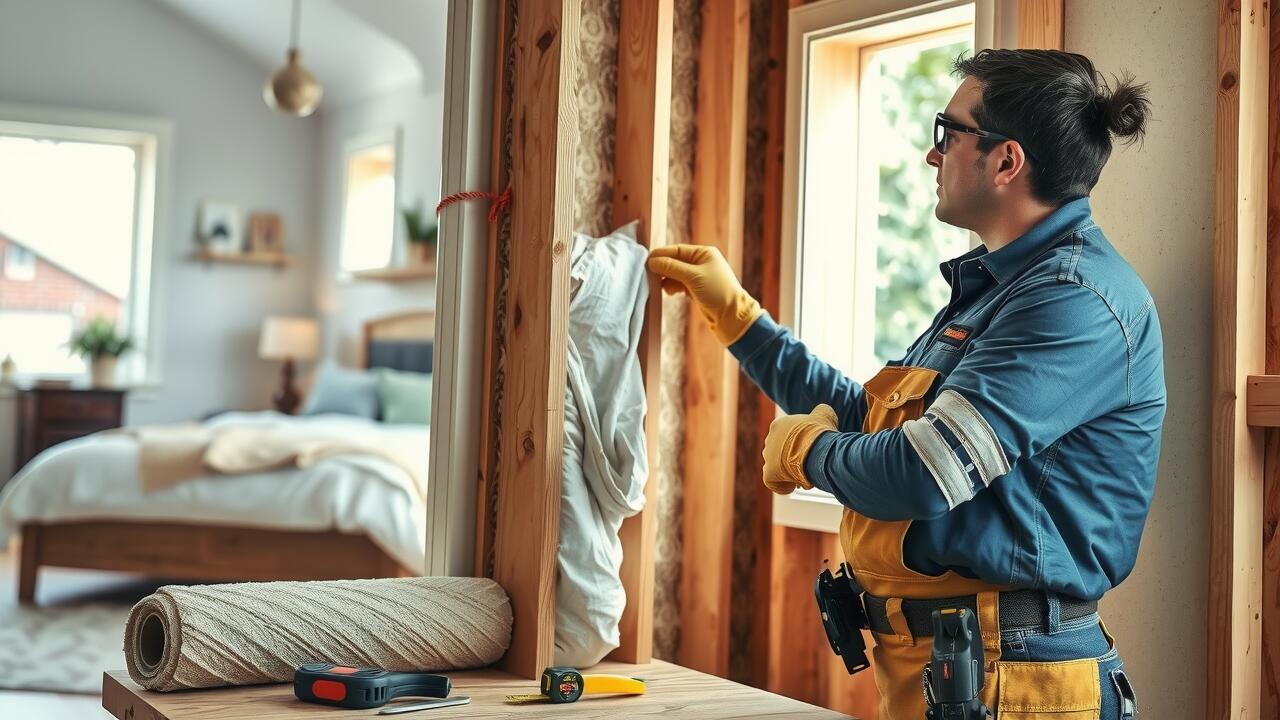
The Benefits of Proper Insulation
Proper wall insulation plays a crucial role in maintaining a comfortable indoor environment throughout the year. It minimises heat loss during winter months and reduces heat gain during the summer. This regulation of temperature not only enhances comfort but also contributes to energy efficiency. A well-insulated home can lead to significant reductions in heating and cooling costs, ensuring that households maintain a pleasant atmosphere without excessive energy expenditure.
In addition to financial benefits, wall insulation also serves to reduce the carbon footprint. By decreasing the need for heating and cooling systems to operate at peak levels, insulation can lead to lower greenhouse gas emissions. This added layer of environmental responsibility makes wall insulation an attractive option for homeowners looking to make their properties more sustainable. Furthermore, improved insulation can contribute to noise reduction, providing a quieter indoor experience that enhances overall quality of life.
Energy Efficiency and Cost Savings
Wall insulation plays a crucial role in enhancing energy efficiency within a building. By minimising heat loss during the winter months and keeping interiors cool in the summer, it contributes to creating a more stable indoor climate. Homes with adequate wall insulation often require less energy for heating and cooling, leading to lower utility bills. The initial investment in effective wall insulation can result in substantial long-term savings, making it a wise choice for homeowners looking to reduce their energy expenses.
In addition to financial benefits, improved wall insulation can significantly decrease a property’s carbon footprint. As energy consumption decreases, so does the demand for fossil fuels, which may lead to a reduction in greenhouse gas emissions. Homeowners can enjoy a comfortable living environment while also contributing to environmental sustainability. Investing in wall insulation not only enhances comfort but also reflects a commitment to responsible energy use and conservation efforts.
Common Thickness Options for Wall Insulation
When considering wall insulation, common thickness options typically range from 25mm to 150mm. Thinner options, around 25mm to 50mm, often suit existing walls where space is limited. These can still offer a moderate level of thermal resistance. Thicker insulation, particularly in new builds, often spans 100mm to 150mm, providing superior energy efficiency and significant cost savings on heating.
Different types of wall insulation materials may also influence the thickness required. For instance, rigid foam boards allow for higher R-values in thinner profiles compared to fibreglass or mineral wool. Selecting the appropriate thickness directly impacts the overall performance of wall insulation, affecting heat retention and potential condensation issues within the structure.
Pros and Cons of Different Thicknesses
When considering wall insulation thickness, various options present distinct advantages and disadvantages. Thicker insulation tends to offer superior thermal performance, reducing heat loss during colder months and lowering energy bills. Yet, thicker materials may require more space, potentially impacting the overall dimensions of a room. Additionally, the installation process can become more complex and may increase labour costs.
On the other hand, thinner insulation can be advantageous in terms of space-saving and ease of installation. This option often requires less upfront investment and can work well in mild climates where extreme temperatures are rare. However, opting for a thinner layer can compromise effectiveness, leading to higher energy costs over time. Homeowners must weigh these considerations carefully to determine the most suitable wall insulation thickness for their needs.
Installing Wall Insulation Effectively
Installing wall insulation effectively requires careful preparation and attention to detail. Begin by inspecting the walls for any damage or moisture issues. Addressing these problems before adding insulation will ensure long-lasting results. Choose the right type of insulation material based on the specific requirements of your property. Factors such as climate, wall structure, and local building regulations play a significant role in this decision.
When it comes to the actual installation, proper techniques are crucial. Ensure that the insulation fits snugly between wall studs without any gaps or compression. Air leaks can significantly reduce the effectiveness of wall insulation, so sealing joints and edges is essential. Using a vapour barrier may also be necessary in certain conditions to prevent moisture penetration. Following best practices during installation will contribute to energy efficiency and enhance the comfort of your living spaces.
Best Practices for Optimal Results
Achieving optimal results when installing wall insulation requires careful planning and execution. Ensuring that walls are properly prepared before installation is crucial. This involves inspecting for any existing moisture issues and rectifying them to prevent future problems. Clean surfaces free from dust and debris allow for better adhesion of materials. Proper sealing around windows, doors, and any penetrations can enhance the effectiveness of the insulation, reducing drafts and improving overall thermal performance.
Selecting the right insulation material is equally significant. Different types of wall insulation offer varying levels of thermal resistance and environmental impact. It’s important to consider the specific climate of the area and the building’s unique requirements when choosing the thickness of insulation. Always adhere to local regulations and guidelines during installation, as they provide essential standards aimed at ensuring effective insulation and energy efficiency.
FAQS
What factors determine the thickness of wall insulation I need?
The thickness of wall insulation you need is influenced by several factors, including your local climate, the type of building materials used, your energy efficiency goals, and any building regulations you must adhere to.
Is thicker insulation always better?
Not necessarily. While thicker insulation can provide better thermal performance, it can also lead to issues with moisture control and potentially reduce indoor air quality. It’s essential to balance thickness with other factors, such as space availability and material type.
What are the common thickness options for wall insulation?
Common thickness options for wall insulation typically range from 25mm to 100mm, with variations depending on the insulation material used, such as fibreglass, foam, or cellulose.
How can I determine the best thickness for my insulation?
The best approach is to consult a professional who can assess your specific situation, including your home’s design, insulation goals, and local climate conditions, to recommend the most suitable thickness.
Are there any building regulations regarding insulation thickness?
Yes, many regions have building codes that specify minimum insulation requirements for energy efficiency. It’s crucial to check your local regulations to ensure compliance when determining insulation thickness.